







Whether you’re planning a weekend trip or an extended holiday, ensuring your cat is safe, comfortable, and well cared for while you’re away is essential. Cats are creatures of habit, and even minor disruptions to their environment can cause stress. This guide walks you through how to plan care that keeps your feline happy and healthy, whether you choose boarding, in-home sitting, or a tech-assisted home setup.
Understanding What “Cat Care While You’re Away” Really Means
Cats thrive on routine and familiarity, so the goal isn’t just keeping them fed, it’s preserving their sense of stability. Good cat care while you’re away combines:
- A consistent environment
- Predictable feeding and litter habits
- Emotional comfort and enrichment
- Safety measures and health monitoring
How to Create a Cat Care Routine That Keeps Your Feline Happy and Healthy
Deciding Between Cat Boarding and In-Home Care
When it comes to time away, cat owners usually choose between:
- Boarding facilities (catteries or cat hotels)
- Professional in-home cat sitting
In-Home Care: Comfort Through Familiarity
Keeping your cat at home with a sitter preserves their territory and reduces stress.
Top 5 Benefits of Hiring Professional Pet Sitting Services for Cats
Pairing a sitter with automated care tools can make daily tasks seamless:
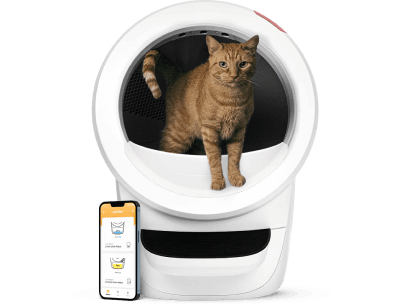
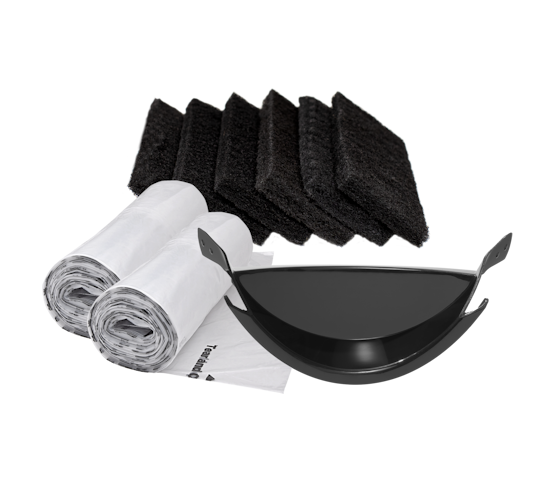
- Recommended Product Placement: Litter-Robot 4, ensures the litter stays clean even when the sitter visits once daily.
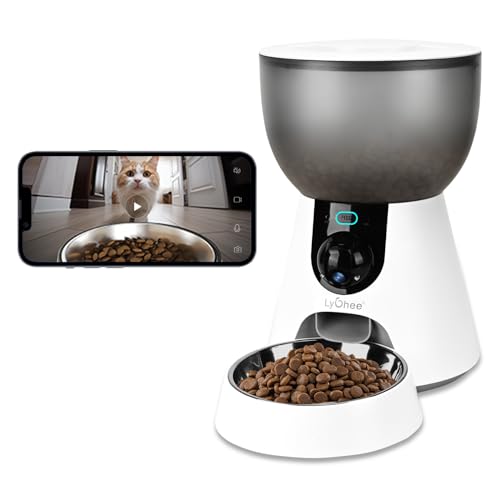
- Recommended Product Placement: Smart feeders or water fountains, keep meals on schedule and hydration consistent.
Cat Boarding: Structure and Supervision
Some cats, especially social or curious ones, do well in a supervised boarding environment. Choose a facility that prioritises hygiene, comfort, and individual care.
How to Choose the Best Cattery: Key Factors to Consider for Your Furry Friend
How to Choose the Best Cat Accommodation for Your Feline Friend
Preparing Your Home or Boarding Facility for Your Cat’s Stay
If Your Cat Stays at Home:
- Set up safe zones, spaces your cat already loves.
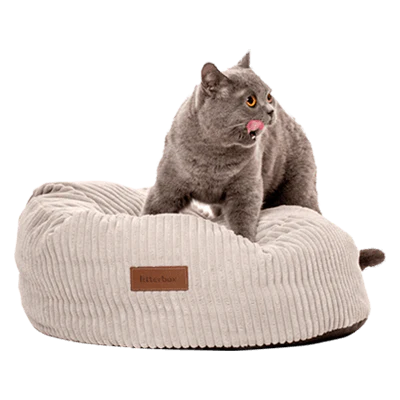
- Keep bedding, food, and litter in their usual locations.
- Provide your sitter with a daily routine checklist.
If Boarding:
- Pack familiar items like toys, blankets, and their usual food.
- Confirm vaccinations and health documents are up to date.
- Do a short “trial stay” to assess comfort.
Finding the Best Cat Kennels Near Me: A Step-by-Step Guide for Pet Owners
Minimising Stress and Separation Anxiety
Cats can exhibit anxiety through changes in appetite, grooming, or litter behaviour. Reduce stress by:
- Using pheromone diffusers before you leave.
- Scheduling gradual separations in the days leading up to travel.
- Keeping communication open with your sitter or facility through regular updates.
Health, Safety, and Emergency Preparedness
Prepare a “cat care pack” before you go:
- Vet contact details
- Medication schedule
- Treatment authorisation form
- Backup sitter contact
If you’re using tech-enabled products, make sure your sitter knows how to operate and troubleshoot them.
Long-Term Absences and Special-Needs Cats
For longer trips, consider:
- Live-in sitters for medically complex cats.
- Vet-supervised boarding for chronic conditions.
- Hybrid care setups, pairing a sitter with smart monitoring tools.
How to Choose the Best Cat Accommodation (for owners weighing long-term options)
Post-Trip Reintegration: Easing Your Cat Back Into Routine
When you return:
- Allow quiet re-adjustment time.
- Resume feeding and play schedules immediately.
- Observe for signs of stress or clinginess.
If your cat used automated products like the Litter-Robot, keep them in place, consistency helps maintain calm.
Final Thoughts
Leaving your cat doesn’t have to be stressful, for either of you. With the right planning, professional help, and reliable technology, you can maintain your cat’s health and happiness while you’re away.
Frequently Asked Questions
Most cats can manage 24–48 hours with automated feeding and litter systems, but longer absences require either a daily sitter visit or boarding. Consistent supervision ensures health, hygiene, and comfort.
It depends on your cat’s personality. Anxious or senior cats do best with in-home sitters, while social, confident cats may enjoy boarding facilities that offer play and supervision.
Set up safe, quiet areas with food, water, and litter in familiar spots. Test smart devices such as automatic feeders and self-cleaning litter boxes before you go, and leave clear care instructions for your sitter.
Keep routines identical—same feeding times, same sleeping spots, same litter setup. Use pheromone diffusers, comfort items, and daily sitter check-ins to reinforce security.
Ask for references, insurance, and written emergency protocols. Visit boarding facilities in person to check cleanliness, ventilation, and staff handling before booking.