







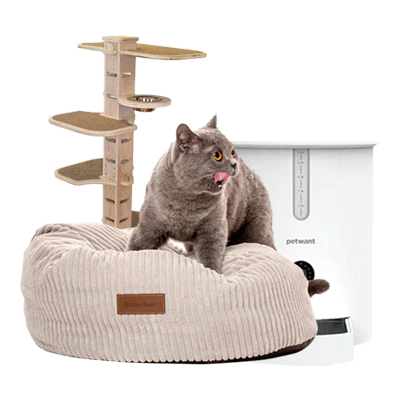

Finding the right cat accommodation is all about matching your cat’s temperament, medical needs and your travel plans to a safe, low-stress set-up. This guide explains what “cat accommodation” includes, how each option works day-to-day, and which health, hygiene and handling standards truly matter. You’ll learn how to compare standard catteries, in-home cat sitting and luxury cat hotels for different personalities (anxious, sociable, elderly), how to read costs and reviews sensibly, and how to prepare your cat for a smooth, stress-lite stay.

What counts as “cat accommodation”?
“Cat accommodation” covers any temporary care arrangement where someone else takes responsibility for feeding, litter hygiene, enrichment and safety while you’re away. The main models differ in space, staffing and routine, differences that directly influence stress, health risk and cost.
Quick comparison: which setting suits which cat?
| Accommodation type | Key attributes | Best fit for |
|---|---|---|
| Standard cattery / boarding | Individual pens/condos, routine cleaning, set feeding times, trained staff | Confident, low-anxiety adult cats needing basic supervision |
| Luxury cat hotel | Private suites, more vertical space, webcams, climate control, and scheduled enrichment | Anxious or highly social cats; long stays; cats needing one-to-one |
| In-home cat sitting | Care in your cat’s familiar territory; visit-based or overnight | Elderly cats, strict medication regimes, and cats that find travel stressful |
Use this table to narrow options, then tour facilities or interview sitters with the checklists below.
Boarding, catteries and cat hotels: what’s the real difference?
Standard boarding/catteries typically prioritise efficiency and consistency: individual units, predictable feeding/cleaning schedules, and staff who oversee multiple cats. Cat hotels offer the same clinical backbone with extra comfort, larger private suites, window perches, tailored enrichment and often webcam access. The practical knock-on effects are lower staff-to-cat ratios and more individual attention, which can help anxious cats maintain normal eating, grooming and litter habits.
When does a hotel justify the premium?
Consider your cat’s anxiety level, medical needs and the length of stay. The longer or more sensitive the stay, the more the extra space and one-to-one interaction pay off.
In-home cat sitting: pros, cons and who it’s for
Keeping your cat at home preserves scent, territory and routine, the trifecta for reducing stress. It’s especially useful for:
- Elderly cats or those with arthritis (no travel, no new stairs/litter layouts)
- Cats on strict diets or medications
- Cats that hide or stop eating in new environments
Trade-offs: Less continuous supervision than a staffed facility and variable emergency coverage. Mitigate by hiring an insured sitter with feline experience, setting clear instructions, and agreeing a written emergency protocol (more on that below).
Luxury cat hotels vs standard boarding: what changes for the cat?
Luxury hotels add space, control and contact: private suites with vertical territory and hideaways, controlled lighting/temperature, timed enrichment, and more frequent human interaction. These elements reduce uncertainty, a key driver of feline stress.
Standard boarding is often perfectly adequate for healthy, easy-going adults on short stays. If your cat is anxious, has chronic conditions, or will be away for longer, the additional predictability and one-to-one time at a hotel can protect appetite, grooming and litter habits, well worth the extra cost.
Health & safety: the non-negotiables
Choose places that can show you clean, written protocols, not just promises. Use this checklist on a tour or call.
| Requirement | Why it matters | Ask / check |
|---|---|---|
| Vaccination records | Reduces infectious disease risk | Which vaccines? How recent must the proof be? Any wait period post-vaccination? |
| Isolation/quarantine policy | Protects new or unwell cats | Where is isolation? How is airflow managed? How do they monitor and update owners? |
| Medication administration | Ensures continuity for chronic conditions | Who administers? How do they record doses and side effects? Double-check process? |
| Emergency veterinary plan | Minutes matter in crises | Which vet partner? Transport protocol? 24/7 cover? Owner authorisation on file? |
| Cleaning & cross-contamination control | Limits pathogens and odour | Litter change frequency? Separate cleaning kits per unit? Laundry temperature? |
| Security & escape prevention | Prevents accidents | Double-door entries? Secure latches? CCTV? Visitor access rules? |
If a facility can’t show (or won’t discuss) these basics, keep looking.
The people factor: assessing staff expertise
A beautiful suite can’t compensate for poor handling. You’re looking for calm, cat-literate humans who can read body language and work low-stress techniques.
Good signs on a tour
- Staff introduce themselves, speak softly, move slowly and let cats choose contact.
- They can explain how they tailor enrichment and feeding to each cat.
- They confidently discuss first aid, medication logging and escalation steps.
Credentials to ask about
- Feline handling/behaviour training (e.g., low-stress or fear-free handling)
- Basic veterinary care/first-aid
- Ongoing CPD and links with a local veterinary practice
- Clear staff-to-cat ratio targets
The environment: what reduces feline stress?
Cats cope best when they can hide, perch and predict.
Inspect for:
- Private vertical space (shelves/perches) and a hideaway in each unit
- Separate food, water, bed and litter zones
- Natural light and good ventilation (no strong ammonia smell)
- Cat-only areas (dogs out of earshot and airflow)
- Temperature control (steady, not stuffy; no draughts)
Ask about:
- Air exchange rates / HVAC maintenance
- How they rotate toys and enrichment to avoid boredom
- How scent is managed between residents (cleaning schedules, products used)
Costs, location and reviews: making sense of the market
Typical price patterns (illustrative ranges; vary by region)
| Accommodation | Typical pricing | Usually includes |
|---|---|---|
| Standard boarding | Mid-range daily fee | Food (or yours), litter hygiene, routine checks |
| In-home sitting | Per visit or overnight (lower to mid-range) | Meals, litter care, brief play, meds as instructed |
| Luxury hotel | Higher daily rate | Private suite, tailored enrichment, webcams/updates |
Value is more than headline price. You’re paying for staffing levels, clinical competence and the quality of the environment, not just square footage or décor.
Reading reviews like a pro
- Look for patterns over time (e.g., consistent praise for cleanliness and communication).
- Give weight to reviews with specifics (dates, staff names, how an issue was handled).
- Check how the facility responds to criticism, accountability is a green flag.
- Use reviews to shortlist, then verify in person.
Location considerations
Shorter journeys reduce stress; proximity to your home and an emergency vet also matters, particularly for cats with medical needs.
Preparing your cat for boarding or sitting
Start early. Preparation is a behaviour plan, a paperwork pack and a bag of familiar things.
Four-week timeline (adjust if your trip is sooner)
4 weeks before
- Carrier out 24/7 with soft bedding and treats; reward voluntary entries.
- Short, positive car rides (2–3 minutes) to normalise transport.
- Book a pre-travel health check if vaccinations/meds need updating.
2 weeks before
- Finalise your choice (facility or sitter) and agree written instructions.
- Schedule a trial day (hotel) or walk-through visit (sitter).
- Start a pheromone diffuser at home (and ask the facility if they use them).
1 week before
- Portion out food; list feeding times and amounts.
- Prepare medication chart with doses, routes and adverse-event notes.
- Photocopy medical records; sign a veterinary authorisation form.
48–72 hours before
- Pack familiar bedding/toy and a T-shirt with your scent.
- Label everything clearly.
- Confirm drop-off and emergency contacts.
What to pack: the calm-stay kit
- Food (measured portions) and treats your cat tolerates
- Medications (clearly labelled) + written schedule and consent form
- Comfort items: small blanket or bed, one or two favourite toys
- ID details: microchip number, your contact info, vet details
- Written care notes: feeding routine, litter habits, hiding spots, handling preferences, stress signs, known triggers
Keep it simple and familiar; avoid bulky or irreplaceable items.
Minimising travel and transition anxiety
- Carrier confidence: keep the carrier part of everyday life; feed near/in it.
- Low-stress handling: slow movements, towel wraps only if needed, no scruffing.
- Calming aids: pheromone sprays/wipes for the carrier; discuss short-term anxiolytics with your vet for severe cases.
- Predictable cues: play, then a small meal before travel to take the edge off (unless fasting is advised for medication).
Hiring a cat sitter: quick vetting script
- Background & insurance: Are you insured/bonded? How many years with cats? Any feline-specific training?
- Medical competence: What medications have you administered? How do you log doses and side-effects?
- Emergency protocol: Which vet would you use after hours? How quickly can you transport?
- Routine & communication: How long are visits? What does a visit include? How do you update me?
- Trial & references: Can we schedule a trial visit? May I contact recent clients?
Finish by giving written instructions and asking the sitter to repeat back critical steps.
Touring a facility: concise questions to ask
- Health: Which vaccines are mandatory? What’s the isolation procedure?
- Hygiene: How often are litter trays changed?
- Environment: Are cats housed away from dogs?
- Staffing: What’s your staff-to-cat ratio?
- Medication: Who administers meds?
- Daily life: How is enrichment tailored?
- Emergencies: Which vet are you partnered with?
Separation stress: spotting it and smoothing it
Behavioural signs: persistent vocalisation, hiding, pacing, destructive scratching, changes in litter habits.
Physical signs: over-grooming, reduced appetite/weight loss, lethargy.
Prevention & support
- Desensitise departures with short practice absences.
- Enrich predictably.
- Keep routine steady.
- Escalate early with a vet if needed.
Essential paperwork: your “just in case” bundle
| Document | What to include | Where to keep it | Who needs a copy |
|---|---|---|---|
| Medical summary | Vaccinations, conditions, allergies, and recent lab results | Printed + digital | Carer and vet |
| Medication sheet | Doses, timing, and instructions | With medications | Primary carer |
| Veterinary authorisation | Consent and payment instructions | Hard copy + digital | Carer and clinic |
| Emergency contacts | Owner, vet, backups | Accessible location | All carers |
Cost, reviews and decision checklist (one-page summary)
- Health safeguards present?
- Clean and calm?
- Human factors?
- Environment?
- Price & value?
- Location?
- Social proof?
- Preparation plan?
Tick most boxes? You’re set.
Final thoughts
The “best” cat accommodation is the one that protects your cat’s health, supports natural behaviour, and keeps daily routines intact, at a level of supervision that matches your cat’s needs. Use the checklists, scripts and timelines here to compare options on facts, not fluff. Prepare early, pack familiar comforts, and give carers the clear information they need. Do that, and you’ll return to the same happy cat you left, just a touch more smug that you nailed the planning.
Frequently Asked Questions
Choose based on your cat’s temperament and health. Confident cats handle catteries well, anxious or senior cats often prefer staying at home with a sitter, and luxury cat hotels suit longer stays or high-need cats that thrive on personal attention.
Look for cleanliness, quiet surroundings, secure enclosures, and friendly, knowledgeable staff. Each cat should have its own space with a perch and hiding spot, and the facility should have clear vaccination, hygiene, and emergency protocols.
They can be—especially for anxious cats or long stays. The additional space, enrichment, and one-to-one attention help reduce stress and support consistent eating, grooming, and litter habits.
Most facilities require up-to-date F3 vaccinations and proof of flea and worm prevention. Some may also request FeLV protection. Always confirm requirements at the time of booking to avoid last-minute issues.
Familiarise your cat with its carrier, pack familiar bedding or a toy, and keep feeding routines consistent before travel. Using pheromone diffusers and booking a short trial stay can make the transition smoother and less stressful.