







What Are the Key Differences Between Automatic and Traditional Litter Boxes?
Short answer: an automatic litter box removes waste for you after each visit and stores it in a drawer, so daily scooping stops, but it costs more upfront, usually needs power and needs a compatible litter. A traditional tray costs less and is simple to use, but it needs regular scooping and litter changes to stay clean and odour-free.
Choosing the right litter box is a vital decision for cat owners, influencing both the pet's hygiene and the owner's convenience. With advancements in technology, automatic litter boxes have become a modern alternative to traditional options. This article examines the key differences between automatic and traditional litter boxes, focusing on their mechanisms, benefits, and potential drawbacks. Many cat owners find litter maintenance time-consuming, which can lead to unpleasant odours and hygiene concerns. Automatic litter boxes, such as the Litter-Robot, offer an innovative solution by streamlining this process. We will explore how these devices operate, their advantages, and how they compare to traditional litter boxes, especially within the Australian market.
This discussion is particularly relevant in Australia, where studies have highlighted ongoing challenges in providing adequate litter facilities for pet cats.

What Are the Key Differences Between Automatic and Traditional Litter Boxes?
Automatic litter boxes and traditional litter boxes serve the same essential purpose but differ significantly in design and functionality.
| Consideration | Automatic litter box | Traditional litter box |
|---|---|---|
| Removing waste | A cleaning cycle runs after your cat leaves and moves waste into a drawer | You scoop it out by hand |
| Your routine | Empty the waste drawer, top up litter and clean the unit periodically | Scoop regularly and replace the litter |
| Hands-on time | Less | More |
| Odour | Waste is removed promptly, which helps limit odour | Odour builds up if scooping is missed |
| Upfront cost | Higher | Lower |
| Power | Usually needs a power outlet (the Litter-Robot 4 does) | Not needed |
| Litter | Must suit the mechanism; the Litter-Robot is designed for clay clumping litter | Your choice of litter |
| Cat size | Check the model’s limits; the Litter-Robot 4 needs cats of at least 1.36 kg | Available in many sizes |
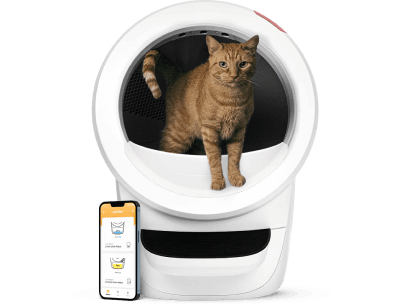
- Self-Cleaning Features: Automatic litter boxes, like the Litter-Robot, incorporate a self-cleaning mechanism that automatically scoops waste into a sealed compartment after each use. In contrast, traditional litter boxes require manual scooping and cleaning, which can be labour-intensive.
- Maintenance Requirements: Traditional litter boxes demand regular cleaning and litter replacement, often resulting in unpleasant odours if neglected. Automatic boxes reduce this burden, enabling less frequent litter changes and enhanced hygiene.
Research highlights how smart litter boxes are engineered to address these challenges, providing a cleaner and more pleasant environment.
Smart Litter Boxes: Solving Odor & Cleaning Problems
Filtering clumping litter is a messy task that can generate unpleasant odours if neglected. In response, the Smart Litter Box was developed to assist pet owners in resolving common cleaning challenges. This study presents a litter box capable of autonomously cleaning cat feces and refilling the sand dispenser.
Development of Automatic Litter Box Using ESP32, 2026
- User Convenience: Convenience is a major advantage of automatic litter boxes. They minimise the effort required from cat owners, making them ideal for busy individuals or households with multiple pets.
Understanding these differences enables cat owners to make informed choices that best suit their lifestyle and their cat's needs.
How Does an Automatic Litter Box Work?
An automatic litter box operates through a combination of sensors and mechanical components designed to simplify cleaning.
The core mechanism involves self-cleaning technology that activates shortly after the cat exits the box. Sensors detect the cat's presence and trigger a cleaning cycle, during which a rake or scoop moves through the litter to collect waste. The waste is then deposited into a removable waste drawer for easy disposal by the owner.
Many automatic litter boxes also feature user-friendly interfaces that allow owners to monitor litter levels and cleaning cycles, ensuring optimal performance. This technology not only enhances convenience but also promotes better hygiene for both cats and their owners.
What Are the Features of Traditional Litter Boxes?
Traditional litter boxes offer a range of features catering to basic cat owner needs.
- Basic Design: Most traditional litter boxes have a simple open or covered design, providing cats easy access and a space to bury their waste.
- Material Options: Typically made from plastic, they are lightweight and easy to clean. Some models include high sides to prevent litter spillage.
- Size and Capacity Considerations: Available in various sizes, traditional litter boxes accommodate different cat breeds and preferences. Owners can select based on their cat's size and home space.
While straightforward and cost-effective, traditional litter boxes require more maintenance effort compared to automatic models.
What Are the Benefits of Using an Automatic Litter Box?
Automatic litter boxes provide several advantages that improve the experience for cats and owners alike.
- Enhanced Hygiene: The self-cleaning mechanism significantly reduces odours and waste buildup, fostering a cleaner environment for cats.
- Time-Saving: Owners spend less time on maintenance, freeing up time for other pet care activities.
- Convenience: Especially beneficial for busy individuals or multi-cat households, these devices simplify litter maintenance.
- Health Monitoring: Some advanced automatic litter boxes include features that track your cat’s litter box usage patterns, which can help detect early signs of health issues such as urinary tract infections or digestive problems.
- Environmental Impact: By optimizing litter usage and reducing waste, automatic litter boxes can contribute to a more environmentally friendly pet care routine.
For those seeking a premium automatic litter box, the Litter-Robot stands out as a leading choice designed to simplify pet ownership.
How Does an Automatic Litter Box Improve Cat Hygiene and Convenience?
Automatic litter boxes improve cat hygiene by promptly removing waste and minimizing odours.
The self-cleaning feature reduces bacterial growth and unpleasant smells, crucial for maintaining a healthy environment since cats are sensitive to their surroundings.
Additionally, the convenience of automatic litter boxes allows owners to spend less time cleaning and more time enjoying their pets. This combination of hygiene and ease makes automatic litter boxes an attractive option for many cat owners.
What Time-Saving Advantages Do Self-Cleaning Cat Litter Boxes Offer?
Self-cleaning cat litter boxes offer significant time-saving benefits for busy cat owners.
- Less Frequent Litter Changes: Automated cleaning cycles extend the interval between litter replacements, saving time and effort.
- Automated Cleaning: The mechanism ensures regular cleaning without manual intervention, allowing owners to focus on other tasks.
- Convenience for Busy Owners: Time saved on litter maintenance can be redirected to other responsibilities or leisure activities.
- Reduced Stress: By automating a routine chore, these litter boxes can reduce stress for both cats and owners, promoting a more harmonious household.
Given the demands of modern life, automated solutions are increasingly appealing for maintaining pet well-being with minimal time investment.
The rising demands of contemporary work have led to more cats being left alone at home due to busy owner schedules. This often results in inadvertent neglect of cats' nutritional needs and well-being. Implementing an automated waste separation system for litter boxes significantly enhances efficiency, reducing upkeep time and increasing convenience for cat owners.
These time-saving features make self-cleaning litter boxes a practical investment for cat owners seeking to simplify pet care.
What Are the Drawbacks of Traditional Litter Boxes Compared to Automatic Ones?
While traditional litter boxes remain popular, they have several drawbacks compared to automatic models.
- Manual Cleaning: Regular scooping and cleaning are required, which can be tedious.
- Odour Issues: Without self-cleaning, traditional boxes can develop unpleasant odours if not properly maintained.
- Less Convenience: Manual maintenance can be inconvenient, especially for busy owners or those with multiple pets.
- Potential for Litter Tracking: Traditional boxes often result in more litter being tracked outside the box, requiring additional cleaning.
These limitations highlight the benefits of considering an automatic litter box for a more efficient and hygienic solution.
What Maintenance Challenges Do Traditional Litter Boxes Present?
Traditional litter boxes pose several maintenance challenges that can be burdensome for cat owners.
- Frequent Cleaning: Owners must regularly scoop waste and replace litter to maintain hygiene, which is time-consuming.
- Health Risks: Neglecting cleaning can lead to health risks for cats and humans, including bacterial and parasite spread.
- Time Commitment: Ongoing maintenance demands significant time, potentially reducing enjoyment of pet ownership.
- Mess and Spillage: Traditional boxes can lead to litter spillage and mess around the home, requiring extra cleaning efforts.
These challenges underscore the advantages of automatic litter boxes, which alleviate many burdens associated with traditional options.
How Do Manual Cleaning Requirements Affect Cat Owners?
Manual cleaning impacts the cat ownership experience in several ways.
- Time Consumption: Owners often spend considerable time maintaining the litter box, which can be frustrating.
- Stress and Inconvenience: Regular cleaning can cause stress, especially for busy owners or those with multiple cats.
- Cat Health Impact: Inadequate cleaning may lead cats to avoid dirty boxes, causing behavioral issues.
- Potential Allergies: Exposure to dust and waste during manual cleaning can trigger allergies or respiratory issues in sensitive individuals.
These factors emphasize the value of automatic litter boxes, which can mitigate many of these concerns.
What Are the Trade-Offs of an Automatic Litter Box?
Automatic litter boxes are not the right fit for every home. Before you switch, weigh up:
- Upfront cost: an automatic box costs more to buy than a traditional tray.
- Power: it needs to be plugged in, so plan for an outlet nearby. An extension cord or powerboard also works.
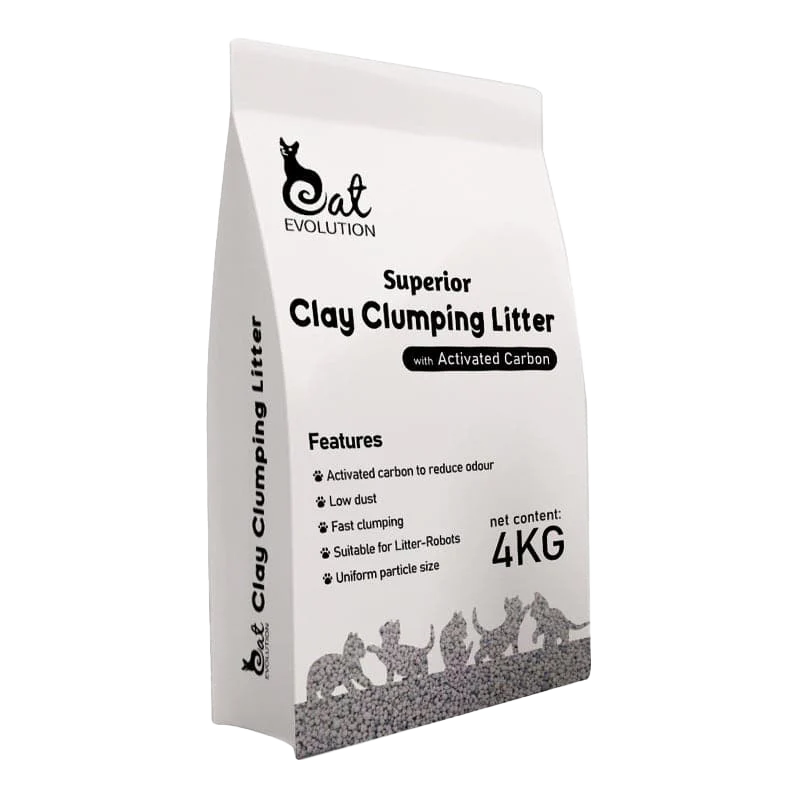
- Litter: the mechanism needs a compatible litter. The Litter-Robot is designed for clay clumping litter; pellets and most paper-based litters are too large or too light to sift.
- Adjustment time: some cats need time to get used to the new box and its cleaning cycle.
- Minimum cat weight: small kittens may be too light. The Litter-Robot 4 needs cats of at least 1.36 kg for automatic cleaning.
How Much Cleaning and Maintenance Does Each Option Need?
Traditional tray: scoop waste regularly, replace the litter and wash the tray to keep it hygienic.
Automatic box: empty the waste drawer, top up litter as needed and clean the unit periodically. With a Litter-Robot, expect to use about 1 kg of clay clumping litter per cat per week. A two-cat home typically needs a quick clean every couple of months and, if needed, a full wash once or twice a year, depending on litter, cats and climate.
Which Option Suits Your Household?
A traditional tray may suit you if you have a young kitten, want the lowest upfront cost, or don’t mind scooping regularly.
An automatic box may suit you if you are short on time, have several cats, or want less day-to-day handling of litter.
If an automatic box fits your routine, you can compare the current Litter-Robot range to see which model suits your cats.
How Does the Litter-Robot Compare to Traditional Litter Boxes in Australia?
The Litter-Robot presents a compelling alternative to traditional litter boxes, especially for Australian cat owners.
- Distinctive Features: This automatic litter box includes a self-cleaning mechanism that efficiently manages waste, reducing odours and maintenance time.
- Pricing Considerations: Although the initial cost is higher than traditional boxes, long-term savings in time and litter make it cost-effective.
- User Feedback: Many Australian cat owners report positive experiences with the Litter-Robot, praising its convenience and effectiveness in maintaining cleanliness.
- Local Support and Service: Availability of customer support and warranty services within Australia enhances user confidence and satisfaction.
These factors demonstrate how the Litter-Robot stands out as a modern solution for cat care.
What Are the Key Features of the Litter-Robot Automatic Litter Box?
The Litter-Robot offers several features that enhance its usability and performance.
- Self-Cleaning Mechanism: Automatically scoops waste into a sealed drawer, maintaining a clean environment.
- Smart Technology: Integrates with a mobile app to monitor litter levels and cleaning cycles.
- User-Friendly Design: Intuitive for both cats and owners, ensuring ease of use.
- Energy Efficiency: Designed to consume minimal power, making it environmentally friendly and cost-effective to operate.
- Quiet Operation: Engineered to operate quietly, minimizing disturbance to pets and owners.
These features make the Litter-Robot a top choice for those seeking an efficient litter box solution.
What Are the Pricing and Warranty Options for Litter-Robot in Australia?
Understanding pricing and warranty options is important when considering the Litter-Robot.
- Cost: an automatic litter box costs more upfront than a traditional tray. Current pricing is on the Litter-Robot 4 product page.
- Warranty: the Litter-Robot 4 comes with a 2-year manufacturer warranty and a 90-day return guarantee when purchased from Cat Evolution.
- Availability: Cat Evolution sells the Litter-Robot in Australia, with warranty and customer support based in Australia and New Zealand.
- Additional Services: an extended warranty is available for Litter-Robot 4 units bought from Cat Evolution, if purchased within the first 6 months of ownership.
These options make the Litter-Robot a worthwhile investment for enhancing cat care routines.
Conclusion
Choosing between automatic and traditional litter boxes significantly affects your cat's hygiene and your convenience. Automatic litter boxes, like the Litter-Robot, offer time-saving features and superior cleanliness, making them ideal for busy households. By understanding their benefits and functionalities, you can make an informed choice that enhances your pet care routine. If automation better matches your cleaning routine, you can compare current automatic litter box options before deciding whether to switch from a traditional tray.
Frequently Asked Questions
Most breeds can use one, but check the model's size and weight limits. The Litter-Robot 4 has no maximum cat weight and is popular with owners of large breeds such as Maine Coons and Ragdolls, but cats must weigh at least 1.36 kg for automatic cleaning. Some cats need time to adjust, so monitor their comfort during the transition.
Maintenance is straightforward: regularly empty the waste drawer to prevent overflow and odours, refill litter as needed, and clean the unit periodically. Following manufacturer instructions ensures optimal performance and hygiene.
It depends on the model, so check the manufacturer's recommendation before you switch. The Litter-Robot is designed for clay clumping litter with good clumps and low dust; pellets and most paper-based litters are too large or too light for its sifting system.
Yes, they are especially beneficial in multi-cat homes by reducing manual cleaning frequency. Ensure the box is large enough and has sufficient waste capacity. Some models are designed specifically for multiple cats, featuring larger waste drawers and enhanced cleaning cycles.
If your cat avoids the automatic litter box, it may be due to unfamiliarity or noise. Place the box in the same location as the previous one and allow exploration without activating the cleaning cycle. Gradually reintroduce the automatic function once the cat is comfortable. Also, use familiar litter types to encourage acceptance.
Automatic litter boxes are generally safe. Place the device on a stable surface to prevent tipping. Monitor your cat initially to ensure comfort with the cleaning mechanism. Regular maintenance helps prevent hygiene or malfunction issues.
Though the upfront cost is higher than traditional boxes, automatic litter boxes can be cost-effective over time by reducing litter usage and cleaning frequency. The time saved can be redirected to other activities, making them practical for busy cat owners.