






Choosing the right cat breed is one of the most important decisions you’ll make as a future or current cat parent. The “right” cat is not about looks alone, it's about matching personality, activity level, grooming needs, and lifestyle compatibility.
This ultimate guide brings together essential insights from across the cat-care journey:
- Understanding what different breeds are like
- Preparing your home and choosing essential supplies
- Evaluating adoption options and meeting individual cats
- Building a care routine that supports long-term wellbeing
- Preparing for kittens and first-time ownership
- Choosing the right litter box and maintaining hygiene
By the end of this guide, you’ll have all the knowledge you need to confidently select a breed (or mixed-breed cat) that suits your home, routine, and expectations, while understanding all the fundamental care elements that accompany responsible cat ownership.
Understanding Cat Breeds: What Really Matters
Not all cat breeds are the same and neither are mixed-breed cats. Each breed (and individual cat) has unique characteristics shaped by genetics, behaviour tendencies, and early socialisation.
Before you begin exploring specific breeds, consider these foundational factors:
Key Factors to Think About When Selecting a Breed
- Energy level: Do you want a playful companion or a calm lap cat?
- Grooming needs: Long-haired breeds need regular brushing; short-haired breeds usually require less.
- Sociability: Some breeds thrive on constant company, while others prefer quiet independence.
- Vocalisation: Breeds like the Siamese are famously talkative; others are quieter.
- Family compatibility: Some breeds are patient and gentle, ideal for kids or multi-pet homes.
- Living space: Apartments suit calmer breeds; energetic cats need vertical space and enrichment.
Understanding these foundations helps guide your search before you even begin looking at specific breeds.
The 10 Most Popular Domestic Cat Breeds and Their Traits
While every cat is unique, these common breeds offer predictable traits that help you decide what fits your home best.
Most Common and Recognisable Breeds
- Maine Coon: Large, social, dog-like, great with families.
- Ragdoll: Gentle, affectionate, relaxed, ideal for quiet homes.
- Siamese: Vocal, intelligent, highly interactive.
- Persian: Calm, luxurious coat, prefers gentle environments.
- Bengal: Energetic, playful, needs daily stimulation.
- British Shorthair: Calm, independent, great apartment companions.
- American Shorthair: Easygoing, adaptable, family-friendly.
- Russian Blue: Reserved, intelligent, bonds strongly with their chosen people.
- Abyssinian: Playful, active, loves exploration.
- Domestic Shorthair (mixed breed): Adaptable, varied in personality, widely loved.
Matching Breed Personality to Your Lifestyle
This is often the most important part of choosing a breed. Cats aren’t one-size-fits-all; your lifestyle should guide your decision.
If you want a calm, low-maintenance companion:
- British Shorthair
- Persian
- Russian Blue
If you enjoy interactive play and high energy:
- Bengal
- Abyssinian
- Siamese
If you have children or other pets:
- Maine Coon
- Ragdoll
- American Shorthair
If you live in an apartment or small home:
- Russian Blue
- British Shorthair
- Persian
Remember: temperament varies. Spend time with individual cats when possible for the most reliable understanding of personality.
Adoption vs. Breeders: Finding the Right Match
Choosing the right breed isn’t always about buying a pedigree cat. Mixed-breed cats in rescues can be wonderful matches with predictable personalities once matured.
When adopting from a rescue:
- Ask about history, temperament, and habits
- Spend time with the cat in a calm space
- Consider adopting adults for predictability
- Be patient, rescues sometimes need time to decompress
For deeper guidance, see:
➡️ How to Choose the Perfect Cat for Adoption
When working with a breeder:
Choose ethical, registered breeders. Look for transparency, clean environments, and a willingness to answer questions openly.
Preparing Your Home for Any Breed
Once you’ve narrowed down breeds, it’s time to prepare your space.
Your home should include:
- Scratching posts and enrichment
- Comfortable sleeping spaces
- Vertical climbing areas if needed
- High-quality food and water bowls
- Grooming supplies based on coat type
- A safe introduction area for new cats
For a full list, see:
➡️ 10 Essential Things to Know Before Owning a Cat
Building a Cat Care Routine That Fits Your Breed Choice
Different breeds thrive on different routines.
Your routine should include:
- Feeding at consistent times
- Daily enrichment tailored to energy level
- Grooming based on coat type
- Litter box maintenance
- Rest periods and quiet time
- Routine check-ins to monitor behaviour and habits
Read more in:
➡️ How to Create a Cat Care Routine That Keeps Your Feline Happy and Healthy
Choosing the Right Litter Box for Your Cat
Your choice of breed can influence your litter box needs.
Consider:
- Size (large breeds need XL boxes)
- Entry height (ideal for kittens or older cats)
- Open vs covered (depends on preference)
- Self-cleaning vs manual
- Type of litter your cat prefers
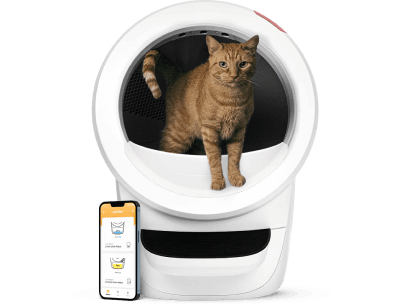
If reducing day-to-day scooping is part of your decision, you can also compare Cat Evolution’s automatic self-cleaning litter box range before choosing a setup.
Explore detailed comparisons in:
➡️ How to Choose the Best Cat Litter Box for Your Cat
Breed Considerations for Raising Kittens
If you're adopting a kitten instead of an adult, breed traits matter, but early socialisation is just as important.
For kittens, think about:
- Extra play needs for high-energy breeds
- Early grooming training, especially for long-haired kittens
- Litter box habits (they may vary in readiness)
- Socialisation to family, handling, and home sounds
More help can be found here:
➡️ The Ultimate Kitten Checklist: Everything You Need to Prepare for Your New Feline Family Member
Long-Term Care Needs by Breed
Choosing a breed means committing to its long-term needs. Consider differences in:
- Grooming frequency
- Enrichment requirements
- Tolerance for children or other pets
- Lifespan considerations
- Size and mobility needs as they age
Matching these needs to your lifestyle ensures a happier cat and a smoother, more enjoyable ownership experience.
Making the Final Decision: Which Breed Is Right for You?
Before deciding, ask yourself:
- How much time can I commit daily?
- Am I comfortable with grooming requirements?
- Do I prefer quiet, calm cats or interactive, active ones?
- What is my home size and noise level?
- Do I want a kitten or an adult?
- Are there children or other pets in the house?
When possible, meet multiple cats, even within the same breed, to see real personality differences.
The perfect cat is the one whose needs match your lifestyle, energy, and expectations, not just appearance.
Final Thoughts
Choosing the right cat breed is an exciting step, but it deserves thoughtful planning. Whether you pick a pedigree breed, a rescue adult, or an energetic kitten, understanding breed traits, and your own lifestyle, creates the foundation for a happy, lifelong relationship.
Use this guide alongside the specialised articles it links to for deeper exploration of each step in the journey.
Frequently Asked Questions
Start by assessing your daily routine, home environment, activity level, and grooming tolerance. Some breeds require constant interaction and stimulation, while others prefer calm, independent living. Matching energy level, sociability, and grooming needs to your lifestyle ensures long-term compatibility.
Not necessarily. Purebred cats offer more predictable traits, but mixed-breed Domestic Shorthairs often have balanced temperaments, fewer hereditary health risks, and adapt well to many homes. Choosing between them depends on your preferences, not superiority.
Breeds like the British Shorthair, American Shorthair, and Ragdoll are excellent for beginners because they have stable temperaments, moderate care needs, and a gentle nature. They adapt well to various lifestyles without requiring extensive training or grooming.
Quiet, low-to-moderate-energy breeds such as Russian Blue, British Shorthair, and Persian thrive in apartment settings. These cats do not require excessive climbing space and are generally content with a cosy, enriched indoor environment.
Maine Coons, Ragdolls, and American Shorthairs are known for their gentle, tolerant personalities. They typically handle noise, attention, and multi-pet dynamics better than more sensitive or independent breeds.
Grooming needs vary significantly by breed. Long-haired cats like Persians require daily brushing, while short-haired cats like the American Shorthair require only weekly grooming. Grooming should match your willingness to commit time consistently.
Yes. Breeds like Siamese, Oriental Shorthair, and Tonkinese are known for expressive vocalisation. If you prefer a quieter home, breeds like the Ragdoll, British Shorthair, or Russian Blue are better suited.
Misalignment can lead to stress, behavioural issues, or rehoming. If challenges arise, adjusting the environment—more enrichment, better routines, grooming support—can help. In extreme cases, seek advice from a behaviourist or your vet.
Very important. Even within a single breed, individual personalities vary widely. Spending time with the cat lets you assess temperament, energy level, and comfort with handling, improving your chances of a perfect match.
Kittens require intensive socialisation, training, and supervision, while adult cats offer predictable personality and care needs. If you prefer less work and immediate companionship, an adult cat is often the best choice.