






Self-Cleaning Litter Boxes: Evaluating Pros and Cons Compared to Traditional Litter Box Use for Australian Cat Owners

As cat owners seek more efficient ways to manage their pets' hygiene, self-cleaning litter boxes have emerged as a popular alternative to traditional litter boxes. These innovative devices simplify cleaning, reduce odours, and improve overall hygiene.
Pros and Cons of Self-Cleaning Litter Boxes vs. Traditional Litter Boxes for Australian Cat Owners
Self-cleaning litter boxes offer convenience by automatically removing waste, reducing manual cleaning. They also include odour control features that improve the home environment.
However, they come with higher upfront costs and may require maintenance such as cleaning sensors and replacing parts.
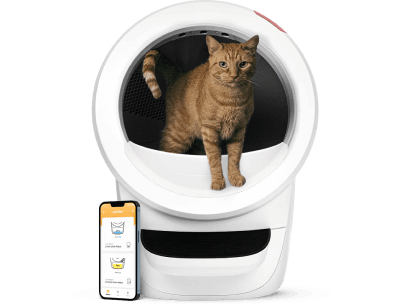
Cat Evolution offers automated solutions like the Litter-Robot self-cleaning litter box, demonstrating the convenience these systems provide.
What Are Self-Cleaning Litter Boxes and How Do They Operate?
Self-cleaning litter boxes automate waste removal using sensors that trigger cleaning cycles after use. Waste is collected in a drawer that can be easily emptied.
How Does the Automatic Cat Litter Box Mechanism Function?
These systems rely on key components:
- Litter chamber: Where waste is deposited.
- Waste drawer: Collects waste for disposal.
- Sensors: Detect usage and trigger cleaning.
What Are the Advantages of Using Self-Cleaning Litter Boxes?
Key benefits include:
- Convenience: Saves time and effort.
- Improved hygiene: Reduces bacteria and odours.
- Less frequent maintenance: Extends time between cleanings.
Research highlights how these systems maintain a consistently clean environment.
How Do Self-Cleaning Litter Boxes Improve Cat Hygiene and Odour Control?
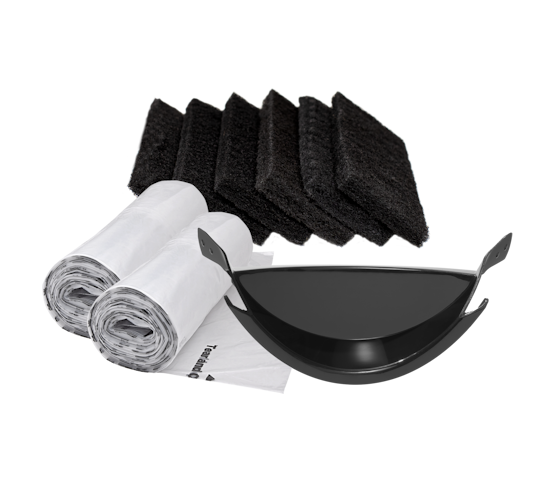
Automated waste removal prevents odour buildup and reduces bacteria. Many models include carbon filters and sealed drawers for enhanced odour control.
What Convenience and Time-Saving Features Do They Offer Cat Owners?
- Automatic cleaning cycles: Clean after each use.
- Smart sensors: Detect usage accurately.
- Easy waste disposal: Simplifies maintenance.
What Are the Disadvantages and Limitations of Self-Cleaning Litter Boxes?
- Higher upfront cost: More expensive than traditional boxes.
- Maintenance requirements: Needs regular upkeep.
- Potential adaptation issues: Some cats may resist automation.
Not all cats adapt easily, so individual temperament should be considered.
What Maintenance and Cleaning Requirements Are Involved?
Owners should clean sensors, empty waste drawers regularly, and replace litter as needed to maintain performance.
How Do Costs Compare Between Self-Cleaning and Traditional Litter Boxes?
While self-cleaning boxes have higher upfront costs, they may offer long-term savings.
| Litter Box Type | Initial Cost | Maintenance Cost | Long-Term Savings |
|---|---|---|---|
| Self-Cleaning | $500 | Moderate | High |
| Traditional | $50 | High | Low |
How Do Self-Cleaning Litter Boxes Compare to Traditional Litter Boxes?
Self-cleaning litter boxes provide convenience and hygiene benefits, while traditional boxes are more affordable but require more manual effort.
Which Option Is More Suitable for Australian Cat Owners?
The choice depends on lifestyle and budget. Busy households benefit from automation, while others may prefer simpler options.
If you are comparing convenience, maintenance and long-term fit, explore Cat Evolution’s automatic litter box options before deciding which setup best suits your household.
How to Choose the Best Automatic Litter Box in Australia
The best automatic litter box for an Australian household depends on the number of cats, available space, litter compatibility, odour-control needs and the level of smart monitoring you want.
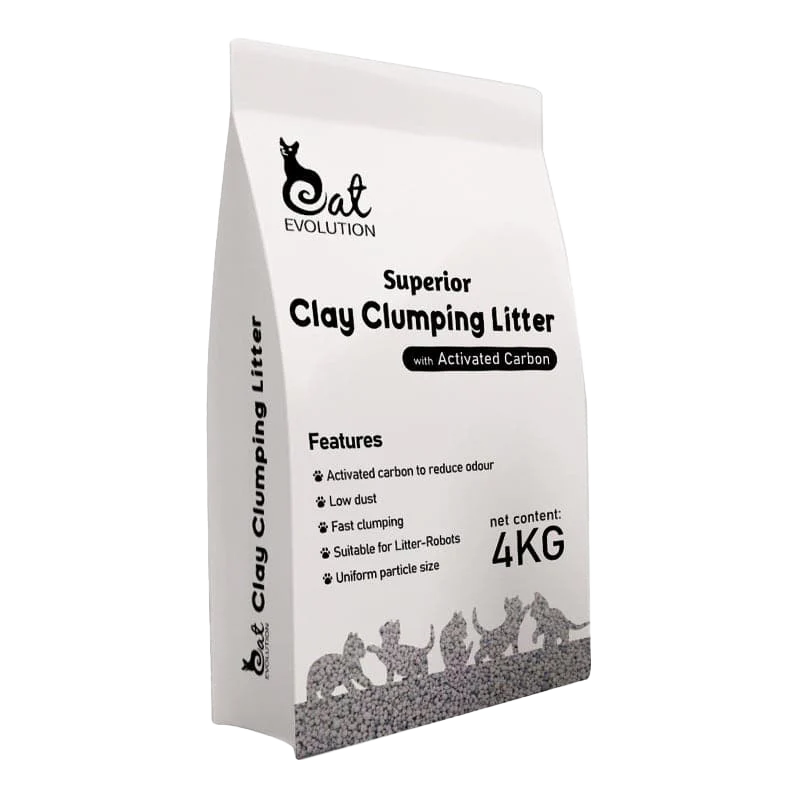
For multi-cat homes, look for a model with sufficient waste-drawer capacity, reliable safety sensors and accurate usage tracking. Litter compatibility is also important, as some automatic litter boxes work with standard clumping litter while others may require specific litter types.
Australian buyers should also consider local warranty support, replacement-part availability and ongoing servicing before choosing a model. These factors can be just as important as app features or initial purchase price when comparing automatic litter boxes.
| Factor | What to Look For |
|---|---|
| Multi-cat use | Capacity, waste-drawer size and usage tracking |
| Safety | Reliable weight and motion sensors |
| Odour control | Sealed waste drawer and filtration |
| Litter compatibility | Support for readily available clumping litter |
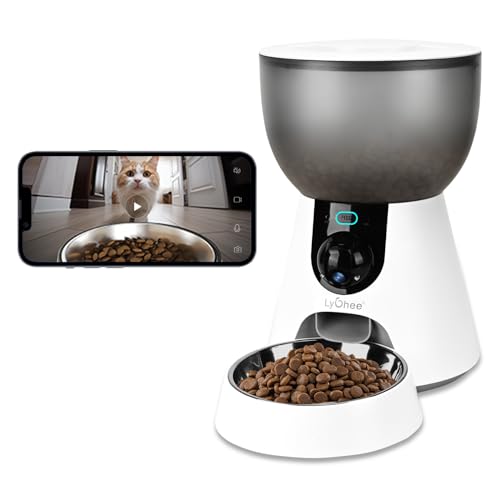
| Smart features | App monitoring and usage data |
| Australian support | Local warranty, parts and servicing |
Before choosing the right setup for your household, read our honest Litter-Robot 4 review.
Conclusion
Self-cleaning litter boxes offer a modern, hygienic solution for cat owners. By understanding their pros and cons, you can choose the best option for your home and your pet.
Frequently Asked Questions
Self-cleaning litter boxes can be suitable for most cat breeds, but individual preferences and behaviours may vary. Some cats may be hesitant to use automated systems due to noise or movement. It's essential to observe your cat's behaviour when introducing a new litter box. If your cat shows signs of stress or avoidance, consider providing a traditional litter box alongside the self-cleaning option until they adapt.
While self-cleaning litter boxes automate waste removal, it is still necessary to replace the litter regularly. Generally, you should check the litter weekly and replace it entirely every 2-4 weeks, depending on usage. Keeping the litter fresh ensures optimal performance of the cleaning mechanism and helps maintain a pleasant environment for your cat.
Yes, self-cleaning litter boxes can be beneficial for households with multiple cats. However, it's crucial to choose a model designed to handle the increased waste load. Some self-cleaning boxes are equipped with larger waste drawers and more robust cleaning mechanisms to accommodate multiple users. Additionally, having more than one litter box can help prevent territorial disputes among cats.
If your cat refuses to use the self-cleaning litter box, try transitioning them gradually. Start by placing the new box near their existing one and allow them to explore it at their own pace. You can also use the same type of litter they are accustomed to. If they continue to avoid it, consider reverting to a traditional box until they feel comfortable with the automated system.
While there are several brands available, Cat Evolution offers a range of self-cleaning litter boxes tailored for Australian cat owners. Their products are designed with local needs in mind, including features that address common concerns such as odour control and ease of maintenance. Researching customer reviews and product specifications can help you find the best option for your cat's needs.
Common issues with self-cleaning litter boxes can often be resolved with simple troubleshooting. If the cleaning mechanism isn't functioning, check for clogs in the waste drawer or ensure that sensors are clean and unobstructed. Refer to the manufacturer's manual for specific troubleshooting steps. Regular maintenance, such as cleaning sensors and replacing parts, can also prevent many issues from arising.
When using self-cleaning litter boxes, consider the environmental impact of the materials used in the litter and the box itself. Opt for biodegradable litter options to reduce waste. Additionally, be mindful of the energy consumption of automated systems. Some models are designed to be energy-efficient, which can help minimise their environmental footprint while providing convenience for cat owners.