







Self-cleaning litter boxes have revolutionised the way cat owners manage their pets' hygiene, offering a blend of convenience and advanced technology. These automatic systems are designed to minimise the time and effort required for litter maintenance, making them an attractive option for busy pet owners. However, while the benefits are significant, there are also drawbacks that potential buyers should consider. This article delves into the pros and cons of self-cleaning functions in automatic litter boxes, providing insights into their reliability and user experiences. We will explore the key advantages, how these features enhance cat hygiene and owner convenience, and the common limitations that may affect user satisfaction.
Indeed, studies confirm that while the convenience of smart pet devices like self-cleaning litter boxes is highly valued, their perceived complexity can be a significant barrier to wider adoption.
"Smart Pet Device Adoption: Convenience vs. Complexity The authors found that consumers view smart pet devices as convenient, better for their animals' well-being, and more responsible forms of pet care than traditional methods. Although consumers perceive smart pet devices as being convenient and better for their pets, there is a significant barrier to adoption -- the perceived complexity of using them; Adopting Smart Pet Devices in Thailand: A UTAUT Perspective, J Peemanee, 2025"
Pros and Cons of Self-Cleaning Functions in Automatic Litter Boxes
Self-cleaning litter boxes offer a range of advantages and disadvantages that can impact the decision-making process for cat owners.
Pros:
- Convenience: These devices significantly reduce the time spent on litter maintenance, allowing owners to focus on other aspects of pet care.
- Odour Control: Many self-cleaning models are equipped with features that help control odours, keeping the environment fresher for both cats and their owners.
- Improved Hygiene: Regular cleaning cycles help maintain a cleaner litter box, which can lead to better health outcomes for cats.
Cons:
- Higher Initial Cost: The upfront investment for self-cleaning litter boxes can be substantial compared to traditional options.
- Maintenance Requirements: While they reduce daily tasks, these boxes still require regular maintenance to ensure optimal functionality.
- Potential Reliability Issues: Mechanical failures can occur, leading to frustration and additional costs for repairs.
| Feature | Advantage | Disadvantage |
|---|---|---|
| Convenience | Saves time on litter maintenance | Higher initial cost |
| Odour Control | Keeps the environment fresher | Requires regular maintenance |
| Improved Hygiene | Promotes better health for cats | Potential for mechanical issues |
Understanding these pros and cons can help cat owners make informed decisions about whether a self-cleaning litter box is the right choice for their household.
What Are the Key Advantages of Self-Cleaning Automatic Litter Boxes?

Self-cleaning automatic litter boxes provide several key advantages that enhance the overall experience for both cats and their owners.
- Elimination of Manual Scooping: One of the most significant benefits is the removal of the need for manual scooping, which can be unpleasant and time-consuming.
- Improved Hygiene and Odour Control: These devices often feature advanced cleaning mechanisms that help maintain a clean environment, reducing the risk of bacterial growth and unpleasant smells.
- User Satisfaction and Convenience: Many users report higher satisfaction levels due to the ease of use and the time saved on litter maintenance.
These advantages make self-cleaning litter boxes a compelling option for many cat owners, particularly those with busy lifestyles.
How Do Self-Cleaning Features Enhance Cat Hygiene and Owner Convenience?
Self-cleaning features in automatic litter boxes significantly enhance both cat hygiene and owner convenience.
- Improved Cleanliness for Cats: Regular cleaning cycles ensure that cats always have access to a clean litter box, which is essential for their health and well-being.
- Reduced Daily Maintenance for Owners: Owners benefit from less frequent litter changes and less time spent on cleaning, allowing for more quality time with their pets.
- Ease of Use and Travel Freedom: Many self-cleaning models can be programmed to clean at specific intervals, giving owners the freedom to travel without worrying about litter maintenance.
These enhancements contribute to a more pleasant living environment for both cats and their owners.
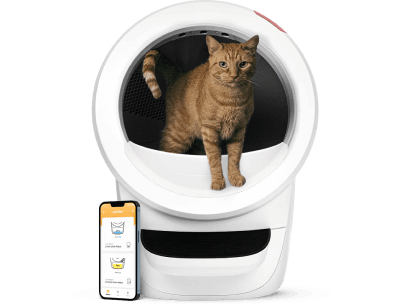
What Benefits Does the Litter-Robot Offer Compared to Traditional Litter Boxes?
The Litter-Robot stands out among self-cleaning litter boxes, offering several benefits over traditional models.
- Automatic Cleaning Process: The Litter-Robot automatically separates waste from clean litter, ensuring a consistently clean environment.
- Odour Control Capabilities: Its design includes features that help contain odours, making it a more pleasant option for indoor use.
- User Experiences and Satisfaction: Many users report high satisfaction levels with the Litter-Robot, citing its reliability and ease of use as major advantages.
These features make the Litter-Robot a popular choice among cat owners looking for a reliable self-cleaning solution.
What Are the Common Limitations and Challenges of Self-Cleaning Litter Boxes?
While self-cleaning litter boxes offer numerous benefits, they also come with limitations and challenges that potential buyers should consider.
- Higher Upfront Costs: The initial investment for a self-cleaning litter box can be significantly higher than that of traditional boxes, which may deter some buyers.
- Maintenance Requirements: Despite their convenience, these boxes still require regular maintenance, including cleaning and occasional part replacements.
- Potential Mechanical Issues: Users may encounter mechanical failures, which can lead to frustration and additional costs for repairs.
What Maintenance Requirements Affect Reliability and Longevity?
To ensure the reliability and longevity of self-cleaning litter boxes, owners must adhere to specific maintenance requirements.
- Daily Tasks for Upkeep: Owners should check the waste drawer and litter levels daily to ensure optimal performance.
- Importance of Regular Cleaning: Regular cleaning of the unit itself is essential to prevent build-up and ensure proper functioning.
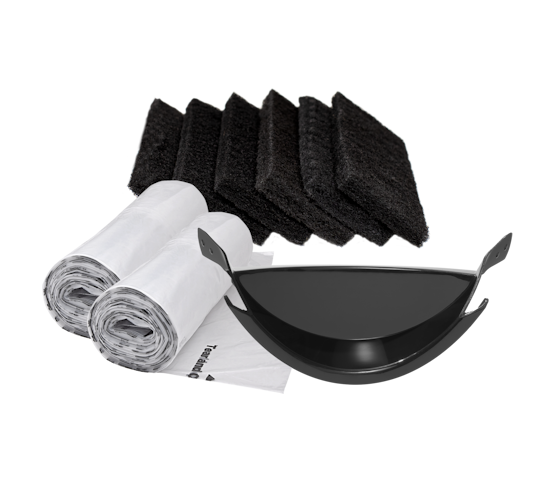
- Replacement Schedules: Components such as filters and waste drawers may need to be replaced periodically to maintain efficiency.
These maintenance tasks are crucial for ensuring that the self-cleaning litter box operates effectively over time.
How Do Cost and Mechanical Issues Impact User Experience?
Cost and mechanical issues can significantly impact the user experience with self-cleaning litter boxes.
- Initial Investment Considerations: The higher upfront cost can be a barrier for some users, leading them to opt for traditional litter boxes instead.
- User Experiences with Mechanical Failures: Reports of mechanical failures can lead to dissatisfaction, particularly if repairs are costly or inconvenient.
- Adaptation Challenges for Cats: Some cats may take time to adapt to the new system, which can affect their willingness to use the litter box.
Understanding these factors can help potential buyers make informed decisions about their purchase.
How Does the Self-Cleaning Mechanism Operate in Automatic Litter Boxes?
The self-cleaning mechanism in automatic litter boxes operates through a series of technical processes designed to simplify litter maintenance.
- Overview of the Sifting Mechanism: Most self-cleaning boxes utilise a sifting mechanism that separates waste from clean litter after each use.
- Waste Collection Process: Collected waste is typically deposited into a sealed drawer, which can be easily removed for disposal.
- User Insights on Reliability: Many users appreciate the convenience of this system, although some report occasional issues with the sifting mechanism.
These operational details highlight the technology behind self-cleaning litter boxes and their effectiveness in maintaining cleanliness.
What Technical Processes Enable Automated Waste Removal?
Automated waste removal in self-cleaning litter boxes relies on several technical processes that enhance their functionality.
- Sifting Mechanism Details: The sifting mechanism is designed to efficiently separate waste from clean litter, ensuring a clean environment for cats.
- Waste Drawer Functionality: The waste drawer is designed for easy removal and disposal, making maintenance straightforward for owners.
- User Feedback on Automation: Many users find the automation process to be a significant improvement over traditional litter boxes, although some may experience issues with the mechanism.
These technical processes are essential for the effective operation of self-cleaning litter boxes.
How Do Sensors and Cleaning Cycles Ensure Effective Functionality?
Sensors and cleaning cycles play a crucial role in ensuring the effective functionality of self-cleaning litter boxes.
- Sensor Functionality: Many models are equipped with sensors that detect when a cat has used the box, triggering the cleaning cycle shortly after.
- Cleaning Cycle Timing: The timing of cleaning cycles can often be adjusted to suit the owner's preferences, providing flexibility in maintenance.
- User Experiences with Effectiveness: Users generally report satisfaction with the effectiveness of these features, although some may prefer manual control options.
These elements contribute to the overall reliability and user-friendliness of self-cleaning litter boxes.
What Should Australian Cat Owners Consider When Choosing a Self-Cleaning Litter Box?
Australian cat owners should consider several factors when selecting a self-cleaning litter box to ensure they choose the best option for their needs.
- Key Features to Look For: Look for models with reliable cleaning mechanisms, good odour control, and user-friendly designs.
- Reliability Considerations: Research user reviews and experiences to gauge the reliability of different models.
- User Experiences and Reviews: Consider feedback from other Australian cat owners to inform your decision.
These considerations can help ensure that cat owners select a self-cleaning litter box that meets their expectations.
How Does the Litter-Robot Compare to Other Models Available in Australia?
When comparing the Litter-Robot to other models available in Australia, several factors come into play.
- Feature Comparisons: The Litter-Robot offers unique features such as automatic cleaning and advanced odour control that may not be present in other models.
- User Satisfaction Ratings: Many users report high satisfaction levels with the Litter-Robot, citing its reliability and ease of use.
- Price Considerations: While the Litter-Robot may have a higher price point, its features and performance often justify the investment.
These comparisons can help potential buyers make informed decisions about which self-cleaning litter box to choose.
If you are comparing current self-cleaning systems, review the automatic litter box options available in Australia before choosing the model that best fits your household.
What Are the Pricing and Warranty Options for Reliable Purchase Decisions?
Pricing and warranty options are important factors to consider when purchasing a self-cleaning litter box.
- Cost Ranges for Self-Cleaning Boxes: Prices for self-cleaning litter boxes can vary widely, with models like the Litter-Robot typically priced higher due to their advanced features.
- Warranty Details: Many manufacturers offer warranties that can provide peace of mind regarding the reliability of the product.
- Return Policies: Understanding return policies can also be crucial, as it allows buyers to test the product and ensure it meets their needs.
These factors are essential for making a reliable purchase decision regarding self-cleaning litter boxes.
Frequently Asked Questions
When selecting a self-cleaning litter box, consider key features such as the cleaning mechanism, size, and ease of use. Look for models that offer reliable odour control and are suitable for your cat’s size and habits. Additionally, read user reviews to gauge the reliability and performance of different models. It’s also important to assess your budget, as prices can vary significantly. Ultimately, choose a box that aligns with your lifestyle and meets your cat’s needs.
Most self-cleaning litter boxes are designed to be safe for cats, but individual preferences and behaviours can vary. Some cats may take time to adjust to the automated cleaning process, while others may be hesitant to use them initially. It’s essential to monitor your cat’s behaviour after introducing a new litter box. If your cat shows signs of stress or refuses to use it, consider providing a traditional litter box alongside the self-cleaning model until they adapt.
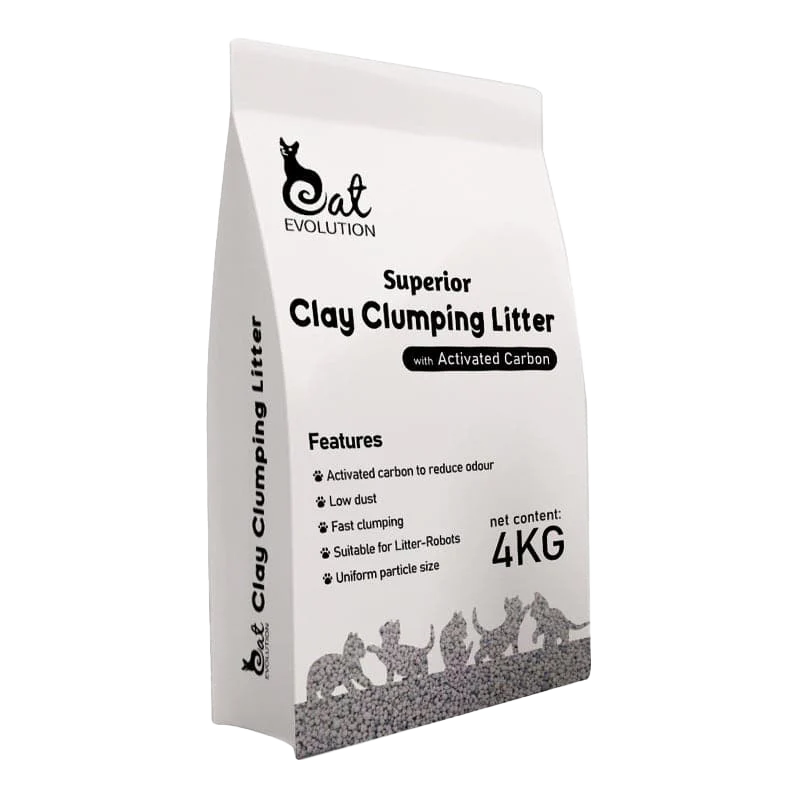
Self-cleaning litter boxes typically work best with clumping litter, as it allows the cleaning mechanism to effectively separate waste from clean litter. Clay-based clumping litters are popular choices, but some models may also accommodate crystal or biodegradable litters. Always check the manufacturer’s recommendations for compatible litter types to ensure optimal performance and avoid potential clogs or malfunctions in the cleaning system.
While self-cleaning litter boxes reduce the frequency of manual cleaning, regular maintenance is still necessary. Owners should check the waste drawer daily to ensure it doesn’t overflow and replace litter as needed. Additionally, the unit itself should be cleaned regularly to prevent build-up and ensure proper functioning. Follow the manufacturer’s guidelines for specific maintenance tasks and schedules to keep the litter box operating efficiently.
Self-cleaning litter boxes can potentially help reduce allergens in the home by maintaining a cleaner environment. Regular cleaning cycles minimise the accumulation of waste, which can harbour bacteria and allergens. However, it’s important to choose a litter that is low in dust and hypoallergenic to further reduce allergy triggers. While these boxes can assist in managing allergens, they should be part of a broader strategy for allergy management, including regular cleaning of the surrounding area.
If your self-cleaning litter box malfunctions, first consult the instruction manual for troubleshooting tips. Common issues may include clogs or mechanical failures that can often be resolved with simple adjustments. If the problem persists, contact the manufacturer for support or warranty service. Regular maintenance can help prevent many issues, so ensure you follow the recommended upkeep procedures to minimise the risk of malfunctions.
Yes, there are eco-friendly self-cleaning litter boxes available that use biodegradable materials and sustainable practices. Some models are designed to work with eco-friendly litters made from recycled or natural materials. When shopping for an eco-friendly option, look for certifications or labels indicating sustainable practices. Additionally, consider the overall energy consumption of the device, as some models are designed to be more energy-efficient than others.