



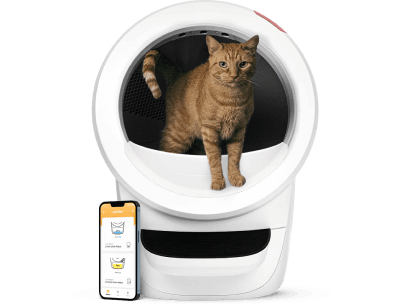
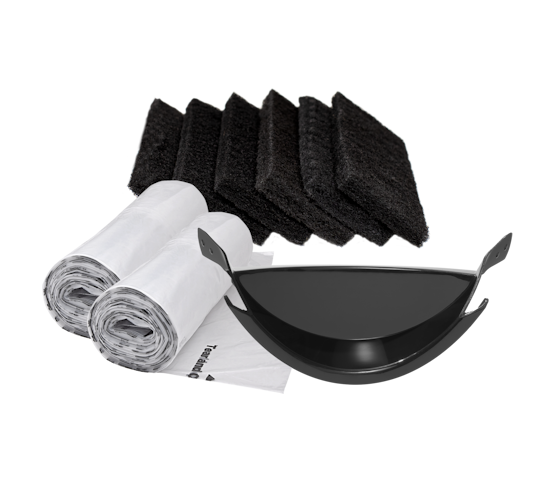




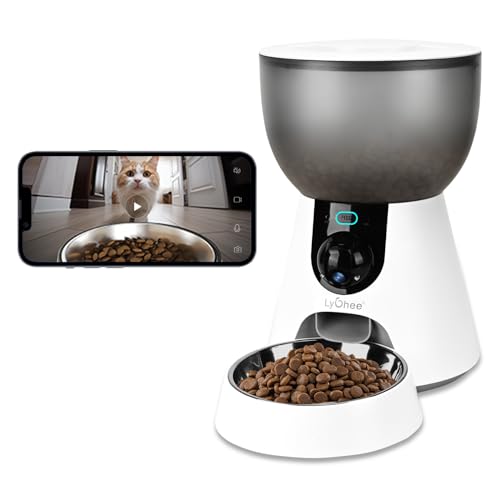

Automatic litter boxes such as the Litter-Robot have transformed cat care by automating waste removal and reducing daily cleaning tasks. These intelligent devices help maintain a cleaner and more hygienic environment for both cats and owners. However, like any electronic appliance with moving components, automatic litter boxes require regular maintenance and preventative care to operate reliably.
Without proper upkeep, issues such as sensor malfunctions, waste drawer errors, jammed sifting mechanisms, or cycling failures can interrupt performance and create unnecessary stress for pet owners. Fortunately, most sudden failures can be avoided through consistent maintenance and early troubleshooting.
This guide explores the most effective preventative measures for automatic litter boxes, including maintenance routines, diagnostic techniques, troubleshooting steps, and practical tips for extending the lifespan of your device.
Why Preventative Maintenance Is Important
Routine maintenance is essential for keeping automatic litter boxes functioning efficiently. Preventative care not only reduces unexpected breakdowns but also improves hygiene, odour control, and long-term performance.
Benefits of Regular Maintenance
Proper maintenance helps:
-
Prevent sudden operational failures
-
Improve litter box hygiene
-
Extend the lifespan of components
-
Reduce unpleasant odours
-
Improve sensor accuracy
-
Maintain efficient cleaning cycles
-
Minimise repair costs
Automatic litter boxes rely on sensors, motors, and moving parts that can gradually accumulate dust, debris, and litter residue. Regular inspections and cleaning help prevent these issues from affecting performance.
Essential Preventative Measures for Automatic Litter Boxes
Use Manufacturer-Recommended Litter
One of the most important preventative measures is choosing the correct type of litter.
Most automatic litter boxes, including the Litter-Robot, are specifically designed for clumping litter. Clumping litter allows the sifting mechanism to separate waste efficiently while maintaining clean litter inside the globe.
Recommended Features in Cat Litter
|
Feature |
Benefit |
|
Clumping Formula |
Supports efficient waste separation |
|
Low Dust |
Prevents sensor obstruction |
|
Odour Control |
Reduces unpleasant smells |
|
Medium Weight |
Ensures proper sensor calibration |
Avoid Using:
-
Non-clumping litter
-
Pellet-based litter
-
Highly dusty litter
-
Lightweight formulas not recommended by the manufacturer
Using incompatible litter can lead to clogs, inaccurate sensor readings, and poor cleaning performance.
Place the Unit on a Stable Surface
Placement plays an important role in the operation of automatic litter boxes.
Always position the unit on:
-
A flat surface
-
Stable flooring
-
A dry indoor location
-
An area with minimal foot traffic
Avoid placing the litter box:
-
On thick carpet
-
Near water sources
-
In direct sunlight
-
In humid outdoor environments
Improper placement can interfere with weight sensors and cleaning cycles.
Monitor the Device Regularly
Although automatic litter boxes automate cleaning, regular monitoring is still essential.
Daily visual checks help identify small problems before they become major faults.
Check for the Following:
-
Full waste drawers
-
Error lights
-
Delayed cleaning cycles
-
Excess litter buildup
-
Unusual noises
-
Sensor obstructions
Early detection significantly reduces the likelihood of sudden failures.
Keep Firmware Updated
Modern automatic litter boxes often include app connectivity and firmware support.
Firmware updates can:
-
Fix software bugs
-
Improve cleaning performance
-
Enhance sensor accuracy
-
Resolve connectivity issues
-
Improve overall reliability
Checking for updates regularly ensures the device operates with the latest improvements and optimisations.
Use Surge Protection
Electrical surges can damage the sensitive electronics inside automatic litter boxes.
Using a surge protector helps protect:
-
Internal circuitry
-
Sensors
-
Motors
-
Wi-Fi modules
-
Control boards
This simple preventative measure can help avoid expensive repairs caused by power fluctuations.
Common Automatic Litter Box Problems
Understanding common problems allows owners to troubleshoot issues more efficiently.
Failure to Cycle
If the litter box fails to begin its cleaning cycle, possible causes may include:
-
Power interruptions
-
Sensor issues
-
Jammed mechanisms
-
Full waste drawers
-
Software glitches
A basic restart often resolves minor operational issues.
Waste Drawer Indicator Errors
Sometimes the device may incorrectly display a full drawer warning.
Common causes include:
-
Dusty sensors
-
Improper drawer positioning
-
Incorrect liner placement
-
Sensor obstruction
Cleaning the sensors and repositioning the drawer usually resolves the issue.
Unusual Noises During Operation
Grinding, rattling, or excessive noise can indicate:
-
Litter clogs
-
Debris buildup
-
Worn moving parts
-
Mechanical obstructions
Ignoring unusual noises may lead to more severe mechanical problems over time.
Sensor Malfunctions
Dirty or blocked sensors can trigger false alerts or prevent the litter box from operating correctly.
Sensor problems commonly result from:
-
Dust accumulation
-
Excess litter residue
-
Moisture exposure
-
Incorrect cleaning methods
Routine sensor cleaning helps maintain accurate performance.
Troubleshooting Techniques for Automatic Litter Boxes
Perform a Fresh Restart
Restarting the device is often the quickest solution for minor glitches.
Restart Steps
-
Unplug the unit
-
Wait 30–60 seconds
-
Plug the unit back in
-
Allow the system to recalibrate
This process can restore normal operation and clear temporary software issues.
Check the Waste Drawer
A full waste drawer can prevent the cleaning cycle from functioning correctly.
Maintenance Tips
-
Empty the drawer regularly
-
Ensure liners are fitted correctly
-
Clean drawer sensors frequently
-
Remove excess waste buildup
Frequent drawer maintenance improves reliability and odour control.
Inspect for Mechanical Jams
Examine the sifting mechanism and globe for:
-
Hardened litter clumps
-
Debris accumulation
-
Foreign objects
-
Excessive litter buildup
Removing obstructions restores proper movement and reduces strain on the motor.
Clean Sensors Properly
Sensors should be cleaned carefully using:
-
A dry microfibre cloth
-
Cotton swabs
-
Mild cleaning products if approved
Avoid harsh chemicals or excessive moisture that could damage electrical components.
Review Error Codes
Many modern litter boxes display diagnostic codes through:
-
LED lights
-
Mobile apps
-
Control panels
Consult the manufacturer’s manual for guidance on interpreting and resolving specific error messages.
Recommended Maintenance Practices
Daily Maintenance
Quick daily checks help maintain performance and hygiene.
Daily Tasks
-
Check waste drawer levels
-
Confirm cleaning cycles complete properly
-
Observe your cat’s litter habits
-
Ensure litter levels remain adequate
Daily monitoring only takes a few minutes and helps prevent larger problems.
Weekly Cleaning Routine
A thorough weekly clean keeps the litter box functioning efficiently.
Weekly Maintenance Checklist
|
Task |
Purpose |
|
Empty Waste Drawer |
Prevent overflow and odours |
|
Clean Interior Surfaces |
Remove residue buildup |
|
Wipe Sensors |
Maintain accurate readings |
|
Replace Litter if Needed |
Improve hygiene |
|
Inspect Components |
Identify wear early |
Regular cleaning also helps reduce odours and bacteria accumulation.
Inspect and Replace Worn Parts
Moving components naturally experience wear over time.
Inspect regularly for:
-
Cracked plastic parts
-
Loose components
-
Damaged seals
-
Worn power cables
-
Faulty sensors
Replacing worn parts promptly prevents larger mechanical failures.
Lubricate Moving Parts
Some automatic litter boxes benefit from occasional lubrication.
Always:
-
Use manufacturer-approved lubricants
-
Follow product instructions carefully
-
Avoid over-lubrication
Proper lubrication reduces friction and supports smooth motor operation.
How to Extend the Lifespan of Your Automatic Litter Box
To maximise the longevity of your device:
-
Use high-quality clumping litter
-
Maintain a regular cleaning schedule
-
Keep sensors free from dust
-
Avoid overfilling the litter chamber
-
Monitor for unusual sounds
-
Install firmware updates promptly
-
Replace worn components early
Consistent preventative maintenance significantly improves long-term reliability.
Safety Precautions for Automatic Litter Boxes
Safe operation is essential when using electronic pet devices.
Important Safety Tips
-
Always unplug the unit before cleaning
-
Keep electrical cords away from pets and children
-
Avoid exposing the unit to moisture
-
Do not use harsh cleaning chemicals
-
Ensure all parts are dry before reassembly
Following these precautions helps protect both the device and your household.
Warranty and Customer Support Information
Most automatic litter boxes include warranties covering manufacturing defects and hardware faults.
Before contacting support:
-
Review troubleshooting instructions
-
Record error messages
-
Confirm warranty eligibility
-
Note the device model and serial number
Reliable customer support can assist with more advanced technical problems that cannot be resolved through standard troubleshooting.
Conclusion
Automatic litter boxes offer exceptional convenience and improved hygiene for cat owners, but consistent maintenance is essential for reliable performance. Preventative care reduces the likelihood of sudden failures, extends the lifespan of the device, and ensures your cat always has access to a clean and comfortable litter area.
By following proper troubleshooting procedures, cleaning routines, and preventative maintenance practices, owners can keep devices such as the Litter-Robot operating smoothly for years to come.
A proactive approach to maintenance ultimately saves time, reduces stress, and creates a cleaner environment for both cats and their owners.
Frequently Asked Questions
Most automatic litter boxes work best with high-quality clumping litter. Clumping litter supports efficient waste separation, better odour control, and smoother cleaning cycles.
Perform daily visual inspections and complete a thorough cleaning at least once per week. Multi-cat households may require more frequent maintenance.
Start with a fresh restart by unplugging the unit for 30–60 seconds before reconnecting it. Then inspect for full waste drawers, sensor issues, or mechanical jams.
No. Avoid harsh chemicals and abrasive cleaners, as they may damage internal components. Mild soap and warm water are generally recommended.
To improve odour control: Empty the waste drawer regularly Use premium clumping litter Clean the unit weekly Replace filters if applicable Regular maintenance greatly reduces unpleasant smells.
Some operational noise is normal during cleaning cycles. However, grinding or rattling noises may indicate clogs, debris buildup, or worn components that require inspection.