






Litter Robot Waste Drawer Maintenance: How Often to Change for Optimal Freshness and Cleanliness
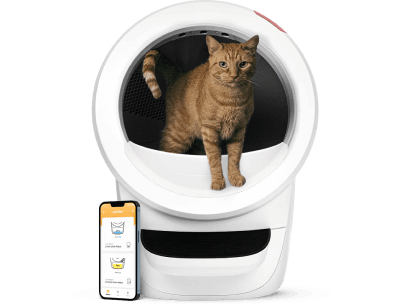
Maintaining a clean and fresh litter box is essential for both the health of your cat and the comfort of your home. The Litter-Robot, an automated self-cleaning litter box, simplifies this task but still requires regular maintenance to ensure optimal performance. This article explores the recommended frequency for changing the waste drawer, the impact of regular changes on odour control, and best practices for keeping your Litter-Robot in top condition.
What Is the Recommended Frequency for Changing the Litter Robot Waste Drawer?
The recommended frequency for changing the Litter-Robot waste drawer is every 7–10 days for a single cat. This interval helps maintain cleanliness and prevents odours from building up. Factors such as the number of cats using the litter box and environmental conditions can influence how often the waste drawer needs to be changed. Households with multiple cats or those in warmer climates may require more frequent changes to keep the litter box fresh.
For those looking to maintain their Litter-Robot effectively, Cat Evolution offers a range of smart cat care products, including the Litter-Robot itself, designed to simplify litter management.
How Does Regular Waste Drawer Replacement Affect Odour Control?
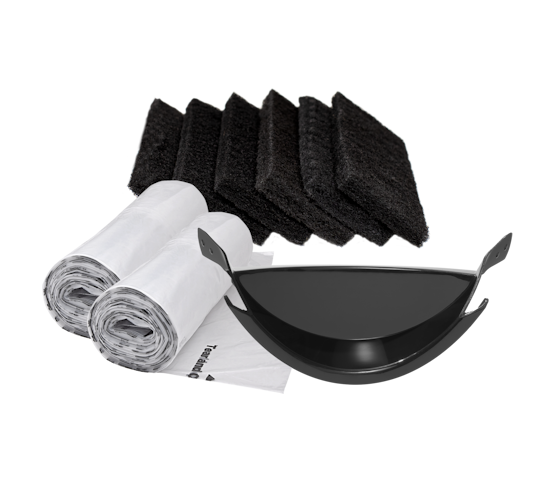
Regularly replacing the waste drawer significantly minimises odour escape, which is a common concern for cat owners. When waste accumulates, it can lead to unpleasant smells that permeate the home. By changing the waste drawer on a consistent basis, odours are contained, and the overall freshness of the litter box is preserved. Additionally, using carbon filters in conjunction with regular waste drawer changes can further absorb and neutralise odours.
Research into automated litter box systems further highlights the importance of waste containment for effective odour management.
What Are Manufacturer Guidelines for Waste Drawer Change Intervals?
Manufacturers recommend changing the waste drawer every 7–10 days, similar to general guidelines for cat litter maintenance. However, they also advise that environmental conditions may necessitate more frequent changes. For example, if the litter box is located in a humid area or if there are multiple cats using the same unit, checking litter levels regularly and adjusting the change frequency accordingly is essential for optimal hygiene.
How to Properly Clean and Maintain the Litter Robot Waste Drawer?
Proper cleaning and maintenance of the Litter-Robot waste drawer are vital for ensuring its longevity and effectiveness. Key practices include:
- Regular wiping: Wipe down the unit regularly to prevent buildup of waste residue.
- Deep cleaning: Perform a deep clean of the globe at least twice a year to remove stubborn odours or stains.
- Use suitable products: Choose cleaning products that are safe for plastic and effective in eliminating odours.
By adhering to these maintenance tips, cat owners can ensure their Litter-Robot remains in excellent condition.
What Are the Step-by-Step Procedures for Waste Drawer Cleaning?
Cleaning the waste drawer of the Litter-Robot involves a few straightforward steps:
- Turn off and unplug: Always turn off and unplug the unit before cleaning to ensure safety.
- Empty the waste drawer: Remove the waste drawer and check for clumps that may need to be disposed of.
- Clean the globe and base: Use a damp cloth to clean the globe and base thoroughly, ensuring no waste residue remains.
Following these steps will help maintain the hygiene of the Litter-Robot and prolong its lifespan.
Which Cleaning Products and Tools Are Recommended?
When it comes to cleaning the Litter-Robot, using the right products is essential. Here are some recommendations:
- Mild detergent: A gentle detergent is effective for cleaning without damaging the plastic components.
- Avoid bleach: Bleach can harm the plastic and create harmful fumes.
- Biodegradable waste drawer liners: Using liners can simplify the cleaning process and reduce waste.
These products will help keep the Litter-Robot clean and functional.
What Are the Best Practices to Keep Your Litter Robot Fresh and Odour-Free?
To maintain a fresh and odour-free environment, consider the following best practices:
- Regularly empty the waste drawer: Consistent emptying prevents odours from building up.
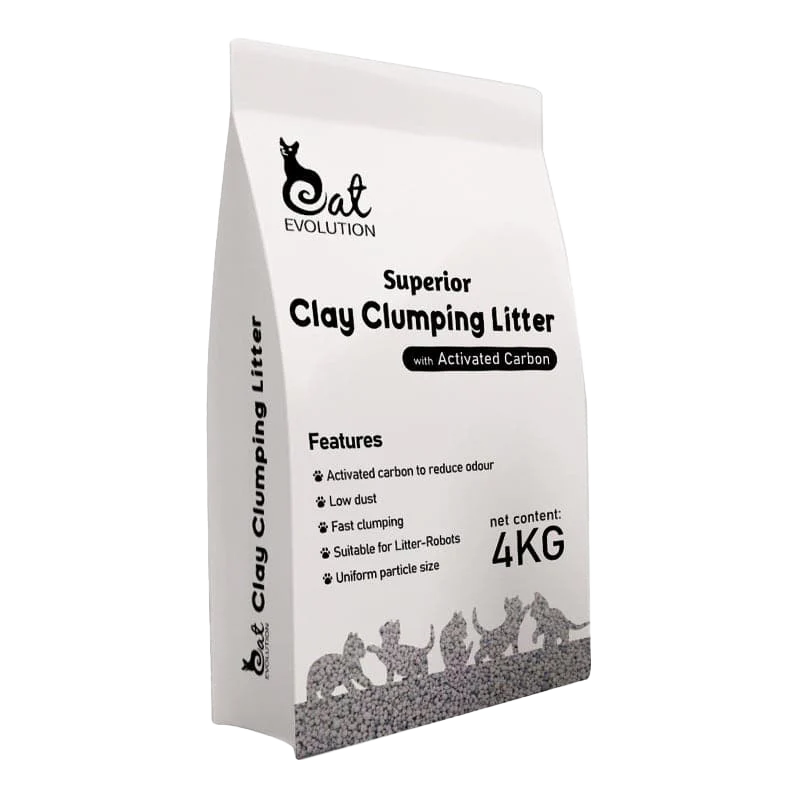
- Use quality clumping litter: High-quality litter clumps effectively, making it easier to clean.
- Perform deep cleaning regularly: Schedule deep cleaning sessions to maintain hygiene and freshness.
Implementing these practices will enhance the overall experience of using the Litter-Robot.
How Can Odour Control Be Enhanced Through Waste Drawer Maintenance?
Enhancing odour control through waste drawer maintenance involves several key strategies:
- Regular emptying: Frequent emptying of the waste drawer is crucial to prevent odours from escaping.
- Utilising carbon filters: Incorporating carbon filters can significantly reduce odours by absorbing them effectively.
- Deep cleaning: Regular deep cleaning helps eliminate lingering smells and keeps the unit fresh.
By following these strategies, cat owners can ensure their Litter-Robot remains odour-free.
What Additional Tips Improve Overall Litter Robot Hygiene?
To further improve the hygiene of your Litter-Robot, consider these additional tips:
- Monitor humidity levels: High humidity can exacerbate odour issues, so keep an eye on the environment.
- Use enzyme cleaners: These can help break down lingering odours and keep the unit smelling fresh.
- Check seal strips regularly: Ensure that seal strips are intact to prevent odours from escaping.
These tips will contribute to a cleaner and more pleasant litter box experience.
How to Troubleshoot Common Issues Related to Waste Drawer Maintenance?
Troubleshooting common issues related to waste drawer maintenance can help ensure the Litter-Robot operates smoothly.
What Are Frequent Waste Drawer Problems and Their Solutions?
Common problems with the waste drawer include:
- Odour control issues: Regular changes and deep cleaning can help mitigate this.
- Clumping problems: Using high-quality clumping litter can resolve clumping issues.
- Indicator malfunctions: Resetting the unit may fix false indicators.
When Should You Contact Support for Waste Drawer Concerns?
It’s advisable to contact support for waste drawer concerns in the following situations:
- Persistent odour problems: If odours continue despite regular maintenance.
- Malfunctioning indicators: If the drawer full indicator does not function correctly.
- Cycle issues: If the Litter-Robot fails to cycle properly, support can provide guidance.
By following these guidelines and tips, cat owners can ensure their Litter-Robot remains a reliable and effective solution for maintaining a clean litter box.
Conclusion
Regular maintenance of your Litter-Robot waste drawer is essential for ensuring a fresh and odour-free environment for both you and your cat. By adhering to the recommended change frequency and employing best cleaning practices, you can significantly enhance hygiene and comfort in your home. Explore our range of cleaning products and accessories designed to simplify your litter management routine.
Frequently Asked Questions
If your Litter-Robot is not cycling as expected, first ensure that the unit is plugged in and turned on. Check for any obstructions in the globe or waste drawer that may prevent it from functioning. If the problem persists, try resetting the unit by unplugging it for a few minutes and then plugging it back in. If these steps do not resolve the issue, contacting customer support for further assistance is recommended.
While the Litter-Robot is compatible with most clumping cat litters, it is best to use high-quality clumping litter for optimal performance. Avoid using non-clumping litters, crystal litters, or those containing large granules, as they can interfere with the unit's mechanics and cleaning cycle. Always check the manufacturer's recommendations for specific litter types to ensure the best results.
The waste drawer should be changed every 7-10 days for a single cat, but you can also rely on the drawer full indicator light. If the light is illuminated, it’s time to empty the drawer, even if it hasn't been a full week. Additionally, if you notice any unpleasant odours or clumps forming, it’s a good sign that the waste drawer needs attention sooner.
Using biodegradable waste drawer liners can simplify the cleaning process and enhance hygiene. These liners make it easier to dispose of waste without having to scrub the drawer itself, reducing the risk of lingering odours. Additionally, biodegradable liners are environmentally friendly, breaking down naturally after disposal, which is a great choice for eco-conscious pet owners.
To enhance odour control, regularly empty the waste drawer and consider using carbon filters designed for the Litter-Robot. These filters absorb and neutralize odours effectively. Additionally, maintaining a consistent cleaning schedule and using high-quality clumping litter can significantly reduce unpleasant smells. Deep cleaning the unit periodically will also help eliminate any residual odours.
If the drawer full indicator is malfunctioning, first check if the waste drawer is properly seated in the unit. If it is, try resetting the Litter-Robot by unplugging it for a few minutes. If the issue continues, it may require recalibration or further troubleshooting. In such cases, contacting customer support for guidance is advisable to resolve the malfunction.
Yes, it is crucial to avoid using bleach or any harsh chemicals when cleaning the Litter-Robot, as these can damage the plastic components and create harmful fumes. Instead, opt for mild detergents that are safe for plastic. Additionally, using enzyme-based cleaners can help break down odours without harming the unit, ensuring a safe and effective cleaning process