







Automatic Cat Litter Boxes: Effectiveness Across Different Cat Breeds and Sizes
Automatic cat litter boxes have gained popularity among pet owners for their convenience and efficiency. These innovative devices, designed to clean litter automatically, promise to simplify the lives of cat owners while ensuring a hygienic environment for their pets. In this article, we will explore the effectiveness of automatic cat litter boxes across different cat breeds and sizes, addressing common concerns and benefits associated with their use. By understanding how these devices function and their compatibility with various cat breeds, you can make an informed decision about whether an automatic litter box is right for your feline friend.
Many cat owners struggle with the daily chore of cleaning litter boxes, which can be time-consuming and unpleasant. Automatic litter boxes offer a solution by utilising self-cleaning mechanisms that reduce the frequency of manual cleaning. This article will delve into the functionality, user experience, maintenance considerations, and compatibility of automatic litter boxes, particularly focusing on the Litter-Robot, a leading product in this category.
The concept of automating litter box cleaning to simplify pet care and manage odours has been a focus of innovation for some time.
Functionality
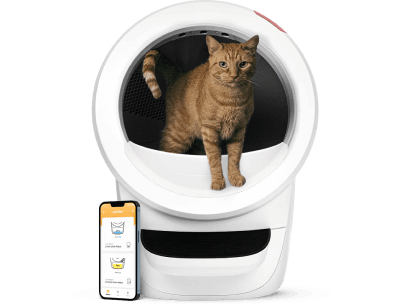
Automatic cat litter boxes are designed to simplify the litter maintenance process through advanced technology. These devices typically feature a self-cleaning mechanism that automatically sifts through the litter, separating waste from clean litter. This functionality not only saves time but also helps control odours, making it a more pleasant experience for both cats and their owners.
The Litter-Robot, for instance, is equipped with a waste drawer that collects clumps of litter, allowing for easy disposal. Additionally, many models include sensors that detect when a cat has used the box, ensuring that cleaning occurs only after the cat has exited. This thoughtful design minimizes disruption for the cat while maintaining a clean environment.
Beyond basic waste removal, some innovative self-cleaning litter box designs are exploring advanced hygiene features, such as parasite neutralisation.
User Experience
User experiences with automatic litter boxes can vary based on individual cat preferences and the specific model used. Many owners report that their cats quickly adapt to the automatic cleaning process, appreciating the consistently clean litter. However, some cats may be sensitive to noise or the movement of the device, which can affect their willingness to use it.
- Ease of Use: Automatic litter boxes are generally easy to set up and operate, requiring minimal intervention from the owner once configured.
- Noise Sensitivity: Some models may produce noise during the cleaning cycle, which could deter noise-sensitive cats.
- Privacy and Accessibility: It's essential to consider the design of the litter box, as some cats prefer enclosed spaces while others may feel more comfortable with open designs.
For those looking for a reliable option, the Litter-Robot is a popular choice among cat owners, known for its user-friendly features and effective cleaning capabilities.
Maintenance Considerations
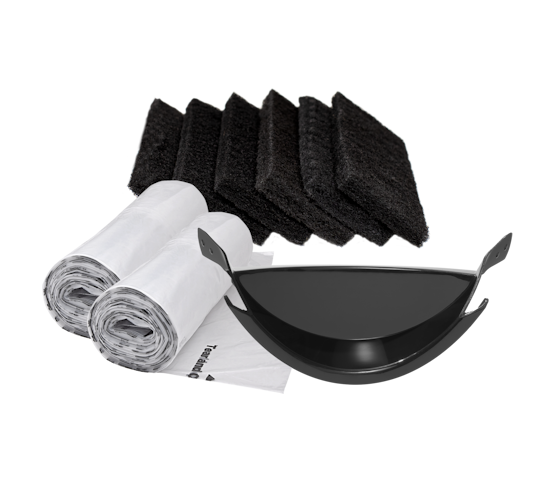
Maintaining an automatic litter box is generally less labour-intensive than traditional models, but it still requires some attention. Regular maintenance includes emptying the waste drawer and refilling the litter as needed.
The Litter-Robot simplifies maintenance with its large waste drawer, which can hold several days' worth of waste, depending on the number of cats using it. Additionally, the self-cleaning mechanism reduces the need for daily scooping, making it a convenient option for busy pet owners.
| Maintenance Task | Frequency | Notes |
|---|---|---|
| Empty waste drawer | Every 3-7 days | Depending on the number of cats |
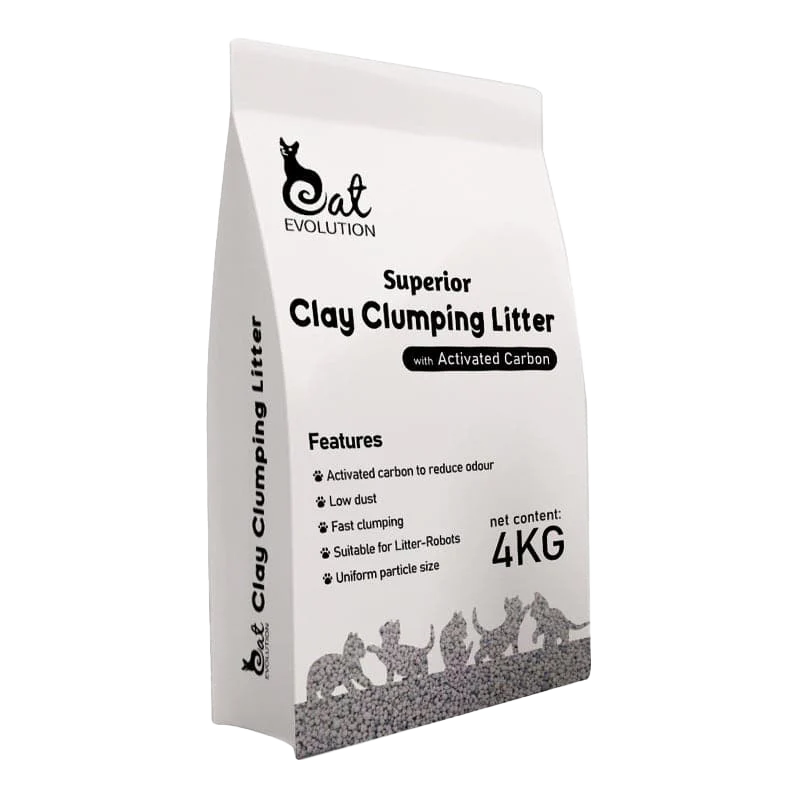
| Refill litter | As needed | Use clumping litter for best results |
| Clean the unit | Monthly | Wipe down surfaces and check for clogs |
This table illustrates the basic maintenance tasks associated with automatic litter boxes, highlighting their convenience compared to traditional litter boxes.
Compatibility by Cat Breed and Size
When considering an automatic litter box, it's crucial to assess its compatibility with your cat's breed and size. Different breeds have varying litter box requirements, and size can significantly impact a cat's comfort and willingness to use the box.
How Do Small, Medium, and Large Cat Breeds Differ in Litter Box Requirements?
Small breeds may require a litter box that is easily accessible, while larger breeds need more space to comfortably enter and exit. Automatic litter boxes like the Litter-Robot are designed with adjustable settings to accommodate various sizes, ensuring that all cats can use them effectively.
What Are the Size Guidelines for Selecting an Automatic Litter Box?
- Small Cats: Look for boxes with lower entry points for easy access.
- Medium Cats: Standard models typically suffice, but ensure there is enough room for turning around.
- Large Cats: Opt for larger models with spacious interiors to prevent discomfort.
What Are the Key Features of the Litter-Robot for Various Cat Breeds?
The Litter-Robot features a spacious design, making it suitable for multiple cats or larger breeds. Its self-cleaning mechanism and waste drawer are designed to handle the needs of various cat sizes, ensuring a hygienic environment.
How Does the Litter-Robot Accommodate Large and Multiple Cats?
For households with multiple cats, the Litter-Robot's large waste drawer and efficient cleaning cycle make it an ideal choice. It can handle the waste of several cats without frequent emptying, providing a practical solution for busy pet owners.
Which Hygiene and Maintenance Benefits Does the Litter-Robot Provide?
The Litter-Robot's self-cleaning feature significantly reduces odour and keeps the litter box clean, promoting better hygiene for both cats and their owners. This is particularly beneficial for households with multiple cats, where waste accumulation can be a concern.
How Do Automatic Litter Boxes Compare to Traditional Models for Different Cat Sizes?
Automatic litter boxes generally offer superior hygiene and convenience compared to traditional models. They reduce the need for daily scooping and help control odours, making them a more appealing option for many cat owners.
What Are the Advantages of Self-Cleaning Litter Boxes Over Manual Options?
- Time-Saving: Automatic cleaning reduces the time spent on litter maintenance.
- Odour Control: Regular cleaning helps minimise unpleasant smells.
- Hygiene: Less manual handling of waste promotes better hygiene for both cats and owners.
While many cats adapt well to automatic litter boxes, some may be hesitant due to noise or unfamiliarity with the device. It's essential to monitor your cat's behaviour and ensure they feel comfortable using the box.
Conclusion
In conclusion, automatic cat litter boxes, particularly the Litter-Robot, offer a convenient and hygienic solution for cat owners. By understanding the functionality, user experience, maintenance considerations, and compatibility with various cat breeds and sizes, you can make an informed decision about whether an automatic litter box is the right choice for your feline friend.
If you're looking for more information on cat breeds and their specific needs, there are many resources available online.
Frequently Asked Questions
Most automatic litter boxes are designed to suit a wide range of breeds. However, individual temperament and size play an important role. Some cats may take time to adjust, particularly if they are sensitive to noise or changes in their environment.
Yes, many models—such as the Litter-Robot—are designed with spacious interiors to accommodate larger breeds. It’s important to check dimensions and weight limits to ensure your cat can enter, turn, and exit comfortably.
Automatic litter boxes are often ideal for multi-cat households. Their self-cleaning mechanism helps maintain a consistently clean environment, reducing the need for frequent manual scooping.
Some models produce noise during the cleaning cycle, which may concern sensitive cats. Most modern designs aim to minimise noise, but it’s still worth considering your cat’s temperament before introducing one.
While they reduce daily cleaning, regular maintenance is still required. This includes emptying the waste drawer every few days, topping up litter, and cleaning the unit periodically.
Clumping litter is typically recommended, as it allows the cleaning mechanism to separate waste effectively. Always follow the manufacturer’s guidelines for best results.
Introduce the litter box gradually by placing it near your current one. Allow your cat to explore it without activating the cleaning cycle initially, and use positive reinforcement to encourage use.