








Will Your Cat Adapt to a Smart Litter Box? Key Factors to Consider
Understanding whether your cat will adapt to a smart litter box involves examining several key factors related to their behaviour, personality, and environment. Smart litter boxes, such as the Litter-Robot, offer innovative solutions for cat owners, but not all cats may take to them easily. This article will explore the critical elements that influence a cat's willingness to use these automated systems. By addressing aspects like cat behaviour, personality traits, age, and the features of smart litter boxes, you can better assess how to facilitate a smooth transition for your feline friend. Additionally, we will discuss effective training methods and the benefits of these advanced litter solutions for both cats and their owners.
How Does Cat behaviour Influence Smart Litter Box Usage?
Cat behaviour plays a significant role in determining whether a feline will embrace a smart litter box. Factors such as stress levels, anxiety, and the overall setup of the litter box can greatly influence usage. For instance, a cat that feels secure and comfortable in its environment is more likely to explore and use a new litter box. Conversely, if a cat experiences stress or anxiety, it may avoid the box altogether. Understanding these behavioral nuances is essential for ensuring a successful transition to a smart litter box.
Research further emphasises that a cat's aversion to a litter box is often tied to its management and suitability.
"Feline Litter Box Aversions & Management
Toileting behaviours that occur outside of the litter box are often related to litter box management as cats develop aversions to the available litter box options and preferences for those they find more suitable.
Advances in understanding and treatment of feline inappropriate elimination, 2010"
Which Cat Personality Traits Affect Adaptation to Automated Litter Boxes?
Different personality traits in cats can significantly impact their adaptation to automated litter boxes. For example, adaptable cats are generally more open to trying new things, including smart litter boxes. In contrast, territorial cats may resist changes in their environment, leading to reluctance in using a new litter box. Additionally, cats that are sensitive to stress may require more time and patience to adjust to the new technology. Recognising these traits can help owners tailor their approach to introducing a smart litter box.
How Do Age and Temperament Impact Cat Interaction with Smart Litter Boxes?
Age and temperament are crucial factors that influence how cats interact with smart litter boxes. Kittens, for instance, may be more curious and willing to explore new litter box options, while older cats might face mobility issues that make using a smart litter box challenging. Furthermore, a cat's temperament can affect its acceptance of the new system; more laid-back cats may adapt quickly, while anxious or skittish cats may need additional support. Understanding these dynamics can help owners create a more accommodating environment for their pets.
Indeed, studies confirm the significant link between a cat's personality and age and their likelihood of experiencing litter box issues.
What Are the Essential Features of the Best Self-Cleaning Litter Boxes for Cats?
When selecting a smart litter box, certain features are essential for ensuring both cat and owner satisfaction. The best self-cleaning litter boxes should include:
- Automatic Waste Removal: This feature simplifies maintenance by automatically sifting and disposing of waste, reducing odour and mess.
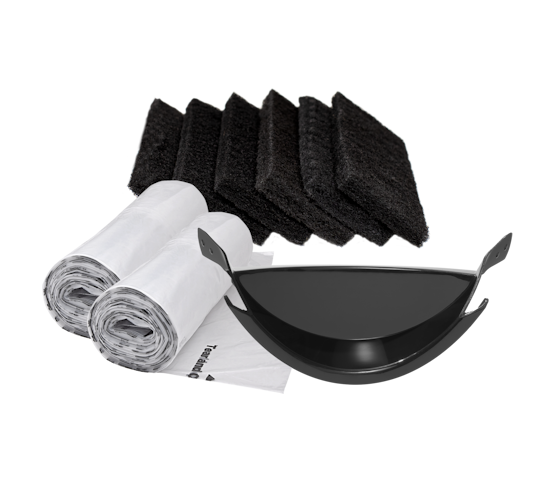
- Odour Control Features: Effective odour control mechanisms, such as carbon filters, help keep the area fresh and pleasant for both cats and their owners.
- User-Friendly Design: A design that is easy to set up and operate encourages regular use and maintenance.
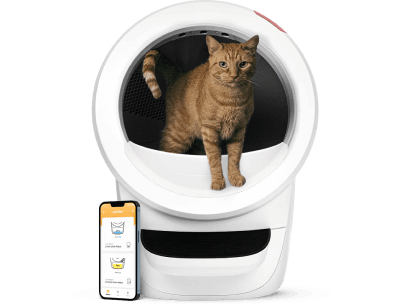
For those considering a smart litter box, products like the Litter-Robot offer these essential features, making them a popular choice among cat owners.
How Can You Train Your Cat to Use a Smart Litter Box Effectively?
Training your cat to use a smart litter box can be a straightforward process with the right techniques. Here are some effective strategies:
- Gradual Introduction: Start by placing the smart litter box next to the traditional one, allowing your cat to explore it at their own pace.
- Positive Reinforcement: Reward your cat with treats or praise when they show interest in the new litter box, reinforcing positive behaviour.
- Monitoring behaviour: Keep an eye on your cat's interactions with the smart litter box, adjusting your approach as needed to ensure comfort and acceptance.
By employing these training methods, you can help your cat transition smoothly to using a smart litter box.
What Are the Benefits of Automated Cat Litter Boxes for Owners and Cats?
Automated cat litter boxes offer numerous advantages for both cats and their owners. Some key benefits include:
- Convenience for Busy Owners: Smart litter boxes reduce the time and effort required for daily cleaning, making them ideal for busy lifestyles.
- Health Monitoring Capabilities: Many automated systems can track your cat's usage patterns, providing valuable insights into their health and well-being.
- Cost-Effectiveness Over Time: While the initial investment may be higher, the long-term savings on litter and cleaning supplies can make smart litter boxes a cost-effective choice.
These benefits highlight why many cat owners are turning to automated solutions like the Litter-Robot to enhance their pet care routine.
Different smart litter boxes come with various features that cater to the needs of both cats and their owners. Below is a comparison of some essential features:
| Feature | Description | Benefit |
|---|---|---|
| Automatic Waste Removal | Automatically sifts and disposes of waste | Reduces odour and maintenance time |
| Odour Control | Carbon filters and sealed waste compartments | Keeps the environment fresh |
| User-Friendly Design | Easy to set up and operate | Encourages regular use and maintenance |
Conclusion
Understanding the factors that influence a cat's adaptation to smart litter boxes can significantly enhance both feline comfort and owner convenience. By recognising the importance of behaviour, personality, and essential features, you can make informed decisions that benefit your pet's well-being. Embrace the advantages of automated litter solutions to simplify your cat care routine. Discover our range of smart litter boxes today and transform your pet's experience.
Frequently Asked Questions
While many cats can potentially use smart litter boxes, certain breeds may adapt more readily due to their personality traits. Breeds known for their curiosity and adaptability, such as Siamese or Abyssinians, might be more inclined to explore and accept new technologies. Conversely, more territorial or anxious breeds may require additional time and patience to adjust. Ultimately, individual personality and past experiences play a significant role in a cat's willingness to use a smart litter box.
Signs of stress in cats can manifest in various ways, including changes in behaviour, such as hiding, excessive grooming, or vocalizing more than usual. If your cat avoids the new litter box or displays signs of anxiety, like pacing or scratching at the door, these may indicate discomfort. Monitoring your cat's body language and overall demeanor can help you identify stress levels and address any issues that may arise during the transition to a smart litter box.
Generally, smart litter boxes are safe for cats, but there are a few health considerations to keep in mind. Ensure that the box is appropriately sized for your cat, as cramped spaces can lead to discomfort. Additionally, monitor your cat's behaviour and health patterns through the box's tracking features, as changes in litter box usage can indicate health issues. Regular cleaning and maintenance of the device are also essential to prevent any potential hygiene problems.
If your cat refuses to use the smart litter box, start by ensuring it is clean and placed in a quiet, accessible location. Gradually introduce the box by placing it next to the traditional litter box, allowing your cat to explore it at their own pace. Use positive reinforcement, such as treats or praise, when your cat shows interest. If issues persist, consider consulting a veterinarian or animal behaviour for tailored advice and strategies to encourage usage.
While smart litter boxes are designed to reduce maintenance, regular cleaning is still necessary. It's recommended to empty the waste compartment and clean the box at least once a week to prevent odours and ensure hygiene. Additionally, check and replace any filters as needed, depending on the manufacturer's guidelines. Regular maintenance not only keeps the box functioning optimally but also encourages your cat to use it consistently.
Yes, smart litter boxes can assist with litter box training for kittens, especially if introduced correctly. Kittens are naturally curious and may be more willing to explore a new litter box. Gradually introducing the smart litter box alongside a traditional one can help them adjust. Positive reinforcement, such as treats when they use the box, can further encourage good habits. However, ensure the box is appropriately sized for the kitten's needs to facilitate a smooth transition.
The initial cost of a smart litter box can be higher than traditional options, typically ranging from $200 to $500, depending on the brand and features. However, consider the long-term savings on litter and cleaning supplies, as these boxes often require less frequent litter changes. Additionally, the health monitoring features can provide valuable insights, potentially saving on veterinary costs. Overall, while the upfront investment is significant, the long-term benefits can make it a cost-effective choice.