






Keeping a cat’s litter box clean is one of the most important parts of responsible pet ownership. However, traditional litter boxes require constant scooping, frequent cleaning, and ongoing odour management. For busy households, maintaining a consistently clean litter tray can quickly become time-consuming and unpleasant.
Self-cleaning litter boxes have transformed modern cat care by automating waste removal and improving overall hygiene. These innovative systems are designed to reduce manual maintenance, minimise odours, and create a cleaner environment for both cats and their owners. Products such as the Litter-Robot have become increasingly popular among Australian cat owners looking for smarter and more convenient litter management solutions.
This guide explains how self-cleaning litter boxes work, compares them with traditional litter boxes, and highlights the key benefits and considerations for Australian households.
What Are Self-Cleaning Litter Boxes?
Self-cleaning litter boxes are automated systems designed to remove cat waste after each use without requiring manual scooping. Unlike traditional litter trays that depend entirely on daily maintenance, these devices use mechanical cleaning systems to separate waste from clean litter automatically.
Most self-cleaning litter boxes operate using one of the following methods:
-
Rotating sifting systems
-
Automatic rake mechanisms
-
Conveyor cleaning systems
-
Rotating globe technology
Once the cat leaves the litter box, built-in sensors trigger a cleaning cycle that separates clumped waste and deposits it into a sealed waste compartment.
The result is a cleaner litter environment with significantly less effort required from the owner.
How Does a Self-Cleaning Litter Box Work?
Although different brands use different technologies, most automated litter boxes follow a similar process.
1. Cat Uses the Litter Box
The cat enters and uses the litter box normally. Sensors inside the unit detect movement and track when the cat exits.
2. Delay Timer Activates
After the cat leaves, the system waits several minutes before starting the cleaning cycle. This delay allows waste clumps to harden properly.
3. Waste Separation Begins
The device activates its cleaning mechanism to separate waste from clean litter.
4. Waste Is Deposited Into a Sealed Compartment
Collected waste is transferred into a waste drawer or sealed compartment designed to contain odours.
5. Clean Litter Is Recycled
Unused clean litter remains inside the unit and is redistributed for the next use.
This automated process dramatically reduces the need for daily scooping while maintaining a consistently cleaner litter area.
How the Litter-Robot Automates Waste Removal
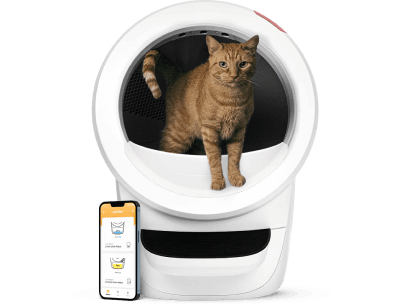
The Litter-Robot is one of the most recognised self-cleaning litter box systems available today. It uses a patented rotating globe system that automatically separates waste from clean litter after each use.
Key Features of the Litter-Robot Include:
-
Automatic waste separation
-
Large sealed waste drawer
-
Advanced odour-control technology
-
Smartphone app connectivity
-
Quiet cleaning cycles
-
Multi-cat compatibility
After the cat exits the globe, the unit slowly rotates, allowing clean litter to pass through a screening system while waste is directed into a sealed waste drawer below.
Because the waste drawer can hold several days of waste, owners only need to empty it periodically instead of scooping multiple times per day.
Key Features of Self-Cleaning Litter Boxes
Modern automated litter boxes include a range of features designed to improve convenience, cleanliness, and odour management.
Automatic Cleaning
The primary benefit is automated waste removal, which eliminates the need for constant manual scooping.
Odour Control Systems
Many self-cleaning units include:
-
Carbon filters
-
Sealed waste compartments
-
Odour-reducing technology
-
Enclosed designs
These features help minimise unpleasant smells throughout the home.
Safety Sensors
Advanced models include sensors that prevent cleaning cycles from activating while a cat is inside the unit.
App Connectivity
Some smart litter boxes allow owners to:
-
Monitor litter box activity
-
Track cleaning cycles
-
Receive maintenance notifications
-
Monitor cat usage patterns
Multi-Cat Support
Many automated litter boxes are designed to accommodate multiple cats, making them ideal for larger households.
Self-Cleaning vs Traditional Litter Boxes
Understanding the differences between traditional and automated litter boxes can help cat owners choose the best option for their home.
|
Feature |
Traditional Litter Box |
Self-Cleaning Litter Box |
|
Daily Scooping |
Required |
Automated |
|
Odour Control |
Basic |
Advanced |
|
Hygiene Levels |
Variable |
Consistently Cleaner |
|
Maintenance Time |
Higher |
Lower |
|
Upfront Cost |
Lower |
Higher |
|
Long-Term Convenience |
Moderate |
Excellent |
|
Multi-Cat Suitability |
Requires Frequent Cleaning |
Better Capacity |
|
Technology Features |
None |
Sensors and Automation |
Although traditional litter boxes cost less initially, automated systems provide significant convenience and hygiene advantages over time.
Benefits of Self-Cleaning Litter Boxes
Reduced Daily Maintenance
Self-cleaning litter boxes eliminate the need for frequent scooping, saving considerable time and effort.
Better Odour Management
Automatic waste removal helps reduce lingering smells by quickly isolating waste in sealed compartments.
Improved Hygiene
Frequent cleaning cycles reduce:
-
Bacteria buildup
-
Moisture accumulation
-
Exposure to contaminated litter
This creates a healthier environment for both cats and humans.
Cleaner Homes
Because waste is removed promptly, litter stays cleaner for longer, reducing tracking and mess around the home.
Convenience for Busy Households
Automated litter boxes are particularly beneficial for:
-
Busy professionals
-
Families
-
Elderly owners
-
Multi-cat households
-
Frequent travellers
How Self-Cleaning Litter Boxes Improve Cat Hygiene
Cats naturally prefer clean litter environments. Dirty litter trays can cause:
-
Litter box avoidance
-
Stress
-
Inappropriate urination
-
Behavioural issues
Self-cleaning litter boxes maintain cleaner litter between uses, encouraging consistent litter habits and improving feline comfort.
A consistently clean litter environment may also help reduce exposure to bacteria and unpleasant odours that can negatively affect a cat’s wellbeing.
Odour Control Advantages
One of the biggest complaints about traditional litter boxes is odour buildup. Self-cleaning litter boxes address this problem through multiple odour-control systems.
Common Odour-Control Features Include:
-
Carbon filtration
-
Sealed waste drawers
-
Enclosed globe designs
-
Automatic waste separation
By removing waste shortly after use, these systems significantly reduce lingering smells throughout the home.
Considerations Before Buying a Self-Cleaning Litter Box
Before purchasing an automated litter box, Australian cat owners should evaluate several important factors.
Cat Size and Weight
Some units are better suited for larger cats, while others are designed primarily for smaller breeds.
Number of Cats
Multi-cat households may require larger waste compartments and higher-capacity systems.
Litter Compatibility
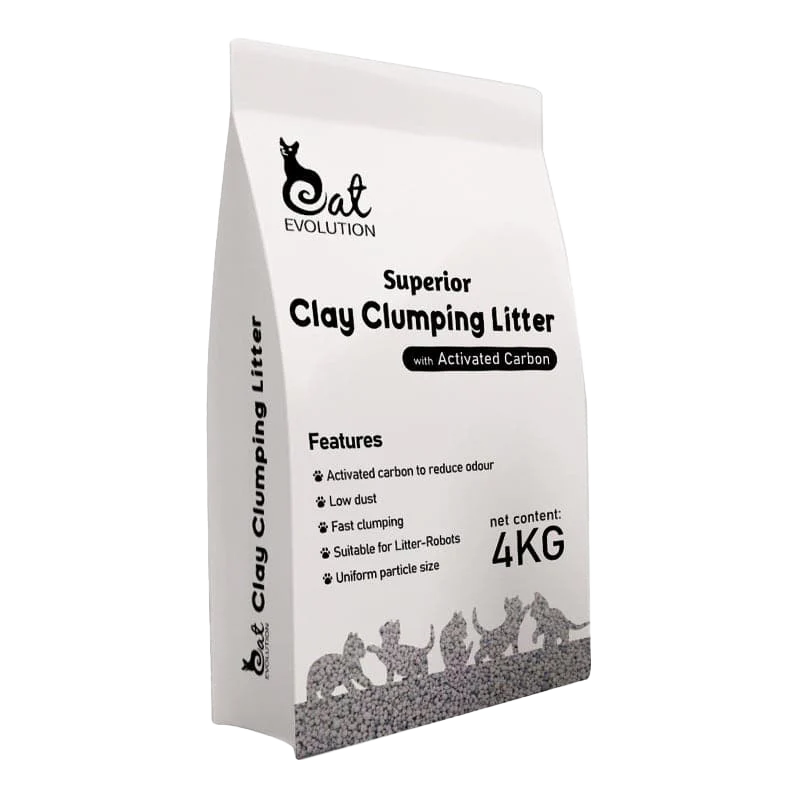
Most automated litter boxes work best with clumping litter. Always follow manufacturer recommendations.
Noise Levels
Some cats may be sensitive to noise or movement during cleaning cycles.
Maintenance Requirements
Although maintenance is reduced, owners still need to:
-
Empty waste drawers
-
Replace filters
-
Clean sensors
-
Deep-clean the unit periodically
Maintenance and Long-Term Costs
While self-cleaning litter boxes reduce daily labour, regular maintenance remains essential for optimal performance.
Recommended Maintenance Includes:
-
Emptying the waste drawer weekly
-
Wiping sensors regularly
-
Replacing filters when required
-
Deep-cleaning monthly
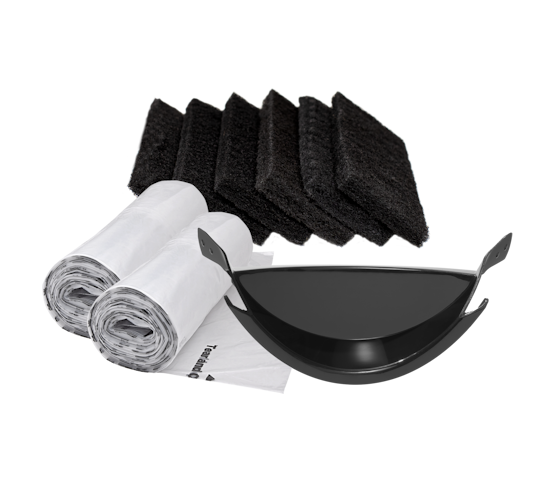
Long-term ownership costs may include:
-
Replacement filters
-
Waste liners
-
Cleaning supplies
-
Electricity usage
-
Compatible litter
However, many owners find the convenience and hygiene benefits justify the investment.
Why Many Australian Cat Owners Choose the Litter-Robot
The Litter-Robot has become one of the most popular automatic litter boxes because of its reliability, advanced technology, and ease of use.
Popular Benefits Include:
-
Reduced scooping time
-
Excellent odour control
-
Large waste capacity
-
Smart monitoring features
-
Multi-cat functionality
-
Quiet operation
For Australian households seeking a premium self-cleaning litter solution, the Litter-Robot offers a practical and highly effective option.
Tips for Transitioning Your Cat to a Self-Cleaning Litter Box
Some cats adapt immediately, while others require a gradual introduction.
Helpful Transition Tips:
-
Place the new box beside the old one
-
Use familiar litter initially
-
Allow your cat to explore at their own pace
-
Avoid forcing usage
-
Reward successful use with treats or praise
Patience and gradual exposure usually lead to successful adaptation.
Common Myths About Self-Cleaning Litter Boxes
Myth: Self-cleaning litter boxes are too noisy
Modern units are designed with quieter cleaning systems that minimise disruption.
Myth: Cats refuse to use automated litter boxes
Most cats adapt well when introduced gradually.
Myth: Automatic litter boxes require no maintenance
Although maintenance is reduced, routine cleaning and upkeep are still necessary.
Myth: They are only suitable for one cat
Many modern systems are specifically designed for multi-cat households.
Conclusion
Self-cleaning litter boxes have transformed litter management by providing improved hygiene, better odour control, and significantly reduced maintenance. Compared to traditional litter trays, automated systems offer a cleaner and more convenient solution for modern cat owners.
For Australian households seeking a smarter approach to cat care, products like the Litter-Robot provide advanced automation, enhanced cleanliness, and long-term convenience. By understanding how these systems work and what features to look for, cat owners can make informed decisions that improve both their pet’s comfort and their own daily routine.
Frequently Asked Questions
Most cats can successfully adapt to self-cleaning litter boxes, although some may require a gradual introduction. Choosing a model that matches your cat’s size and comfort level is important.
Most automated litter boxes work best with clumping litter because it forms solid waste clumps that are easier for the cleaning mechanism to separate.
Waste drawers typically need emptying every few days to once weekly, depending on the number of cats using the system.
Yes. Automated waste removal and sealed waste compartments help reduce odours significantly compared to traditional litter boxes.
Modern self-cleaning litter boxes include safety sensors that prevent cleaning cycles from operating while a cat is inside the unit.
Yes. Many advanced models, including the Litter-Robot, are specifically designed for multi-cat households.
For many cat owners, the convenience, hygiene improvements, and reduced daily maintenance make self-cleaning litter boxes a worthwhile long-term investment.