



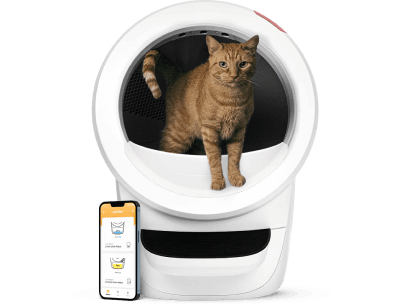
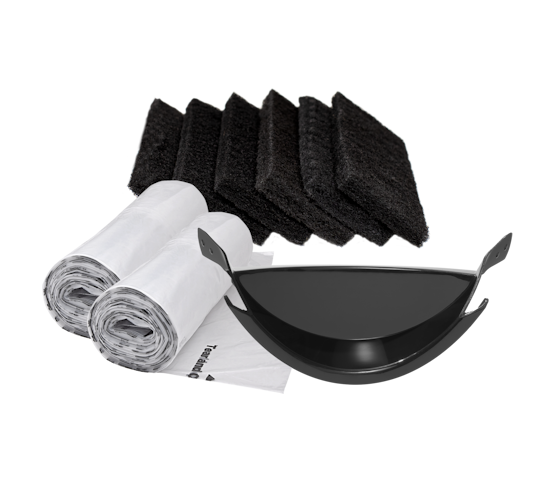




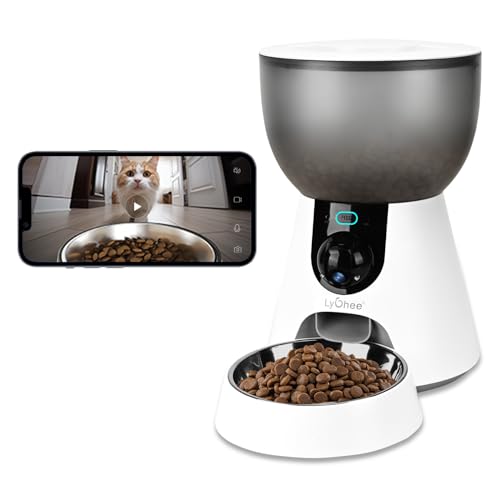

Transitioning your cat to a smart litter box can make daily pet care cleaner, easier, and more hygienic. Modern automatic litter boxes such as the Litter-Robot reduce manual scooping, improve odour control, and help monitor your cat’s bathroom habits more effectively. However, successful adoption depends heavily on your cat’s behaviour, comfort level, and willingness to adapt to change.
Cats are naturally cautious animals, so introducing new equipment into their environment requires patience and observation. Understanding the behavioural signs that indicate readiness can make the transition far smoother for both you and your feline companion.
This guide explores the clearest signs your cat may be ready for a smart litter box, how to introduce the device properly, common adjustment challenges, and practical ways to support a stress-free transition.
Key Signs Your Cat Is Ready for a Smart Litter Box
Several behavioural indicators suggest your cat may adapt successfully to a smart litter box.
Common Signs of Readiness
-
Curiosity about new objects or environments
-
Sniffing or pawing at the new litter box
-
Reduced interest in the old litter tray
-
Comfort with routine household changes
-
Preference for clean litter conditions
-
Confidence around moving or mechanical objects
-
Calm behaviour during environmental adjustments
Cats that naturally explore new items tend to adapt more quickly to automated litter systems.
Why Cat Curiosity Matters During the Transition
Curiosity is one of the strongest indicators that a cat may accept a smart litter box successfully.
When cats approach, sniff, inspect, or paw at the new unit, they are gathering information about its safety and function. This exploratory behaviour is a positive sign and should be encouraged gently through rewards and reassurance.
Positive Ways to Encourage Curiosity
|
Method |
Purpose |
|
Offering treats near the unit |
Creates positive associations |
|
Allowing exploration without pressure |
Reduces anxiety |
|
Using familiar litter initially |
Maintains comfort |
|
Keeping the unit switched off initially |
Prevents noise-related fear |
Allow your cat to investigate the smart litter box at their own pace rather than forcing interaction.
Behavioural Patterns That Show Comfort with Smart Litter Boxes
Once introduced, your cat’s behaviour can reveal how comfortable they feel using the new litter box.
Positive Adaptation Behaviours
-
Frequent voluntary use
-
Entering the box confidently
-
Normal elimination habits
-
Relaxed body posture during use
-
Returning consistently to the new box
-
Minimal hesitation before entering
If your cat consistently chooses the smart litter box over the traditional tray, it usually indicates successful adaptation.
Monitoring Elimination Behaviour with Smart Litter Boxes
Modern smart litter boxes can also assist owners in monitoring elimination habits more accurately.
A 2024 study examining smart litter box sensor technology highlighted how monitoring urination and defecation patterns may help detect potential health concerns earlier.
Smart Monitoring Benefits
-
Tracks litter box frequency
-
Detects unusual elimination patterns
-
Helps identify behavioural changes
-
Supports early detection of urinary issues
-
Provides insight into feline health trends
This makes smart litter boxes valuable not only for convenience but also for proactive pet care.
How to Introduce a Smart Litter Box Successfully
A gradual introduction process is essential. Sudden changes may cause stress, avoidance, or accidents outside the litter area.
Step 1: Choose the Right Location
Placement strongly affects acceptance.
Ideal Placement Tips
-
Select a quiet, low-traffic area
-
Avoid loud appliances nearby
-
Ensure easy access
-
Keep the location familiar
-
Maintain adequate ventilation
Cats prefer calm and predictable bathroom environments.
Step 2: Keep the Existing Litter Box Initially
Do not remove the old litter box immediately.
Place the smart litter box beside the existing tray so your cat can investigate without pressure. This allows gradual acclimatisation while maintaining comfort and routine.
Recommended Transition Timeline
|
Transition Stage |
Suggested Duration |
|
Exploration period |
3–7 days |
|
Partial use period |
1–2 weeks |
|
Full transition |
After consistent acceptance |
Every cat adjusts differently, so flexibility is important.
Step 3: Use Familiar Litter
Cats are highly sensitive to litter texture and scent.
Using the same litter your cat already prefers helps reduce resistance and confusion during the transition.
Best Litter Practices
-
Use unscented clumping litter
-
Avoid sudden litter changes
-
Maintain proper litter depth
-
Keep the litter fresh and clean
Once your cat becomes comfortable, you can gradually switch to the manufacturer’s recommended litter if necessary.
Step 4: Introduce Automated Cleaning Gradually
Some cats may initially fear the sounds or movement of an automatic litter box.
Noise Acclimatisation Tips
-
Keep the unit powered off initially
-
Allow the cat to explore safely
-
Activate cleaning cycles only when the cat is away
-
Gradually expose the cat to operating sounds
Patience during this stage significantly improves long-term success.
Benefits of Using a Smart Litter Box
Smart litter boxes offer advantages for both cats and owners.
Improved Hygiene
Automatic cleaning reduces waste buildup and helps maintain a cleaner environment.
Hygiene Benefits
-
Cleaner litter between uses
-
Reduced bacterial growth
-
Better odour management
-
Improved comfort for cats
Cats generally prefer consistently clean litter conditions.
Better Odour Control
Many smart litter boxes include advanced odour-control systems.
Odour Reduction Features
-
Enclosed waste compartments
-
Carbon filters
-
Automated waste separation
-
Reduced ammonia buildup
This helps improve indoor air quality while reducing unpleasant smells.
Reduced Daily Maintenance
One of the biggest advantages is the reduction in manual scooping.
Convenience Benefits
|
Feature |
Benefit |
|
Automatic cleaning |
Less manual scooping |
|
Waste drawer systems |
Faster disposal |
|
Smart alerts |
Easier maintenance tracking |
|
Sensor monitoring |
Improved performance visibility |
This makes smart litter boxes especially useful for busy households or multi-cat homes.
Common Transition Challenges and Solutions
Not every cat adapts immediately. Understanding common issues helps owners respond effectively.
Fear of Noise or Movement
Some cats become startled by automated cleaning cycles.
Solutions
-
Introduce sounds gradually
-
Keep cycles manual initially
-
Reward calm behaviour
-
Avoid forcing interaction
Refusing to Use the New Box
Cats may avoid unfamiliar environments if they feel uncertain.
Possible Causes
-
Unfamiliar litter texture
-
Poor placement
-
Strong odours
-
Stress or anxiety
-
Loud operational sounds
Helpful Solutions
-
Keep the old box temporarily
-
Use familiar litter
-
Clean the unit frequently
-
Maintain a predictable routine
Stress from Environmental Changes
Cats rely heavily on routine.
Major household changes can influence litter habits during the transition period.
Stress Reduction Tips
-
Maintain regular feeding schedules
-
Keep sleeping areas unchanged
-
Avoid moving furniture excessively
-
Provide quiet resting spaces
Consistency helps cats feel secure during adjustment periods.
Maintenance Tips for Smart Litter Boxes
Regular maintenance ensures reliable performance and encourages continued use.
Essential Maintenance Practices
Daily Tasks
-
Check waste levels
-
Monitor litter depth
-
Observe your cat’s behaviour
Weekly Tasks
-
Empty the waste drawer
-
Wipe sensors carefully
-
Clean accessible components
Monthly Tasks
-
Deep clean the unit
-
Inspect moving parts
-
Replace filters if required
Proper maintenance extends the lifespan of the unit and maintains hygiene standards.
Signs Your Cat Has Successfully Adapted
Once fully comfortable, your cat will display several positive behavioural signs.
Successful Adaptation Indicators
-
Consistent daily use
-
Calm behaviour near the unit
-
Reduced accidents outside the box
-
Comfortable entry and exit
-
No hesitation during operation
Most cats adapt successfully when transitions are introduced gradually and positively.
Conclusion
Transitioning your cat to a smart litter box can significantly improve cleanliness, convenience, and overall pet care management. Recognising the signs of readiness — such as curiosity, comfort with routine changes, and interest in the new unit — allows owners to introduce the technology more effectively.
A gradual approach, positive reinforcement, proper placement, and ongoing maintenance all play vital roles in ensuring success. While some cats adapt quickly, others require additional time and reassurance. Patience and consistency are key throughout the process.
With the right preparation and understanding, a smart litter box can become a valuable addition to your cat care routine while creating a cleaner and more hygienic home environment.
Frequently Asked Questions
Signs of readiness include curiosity about the new box, sniffing or pawing at it, reduced use of the old tray, and comfort around new household items. Cats that adapt well to environmental changes often transition more easily.
Start by keeping the old litter box nearby and using familiar litter in the new unit. Introduce the smart litter box gradually without pressure and reward positive interactions with treats or praise.
Yes, most smart litter boxes are designed with safety sensors and automated protections to prevent operation while a cat is inside. Always follow manufacturer instructions and maintenance guidelines.
Adjustment periods vary. Some cats adapt within a few days, while others may require several weeks. Gradual introduction and patience usually improve success rates.
Most smart litter boxes perform best with unscented clumping litter that forms firm clumps and produces minimal dust. Always check manufacturer recommendations for compatibility.
Yes. Some smart litter boxes track usage frequency and elimination patterns, which may help owners notice behavioural or health changes earlier.