


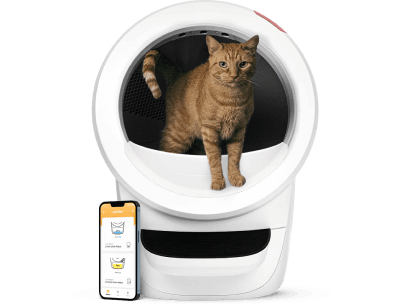
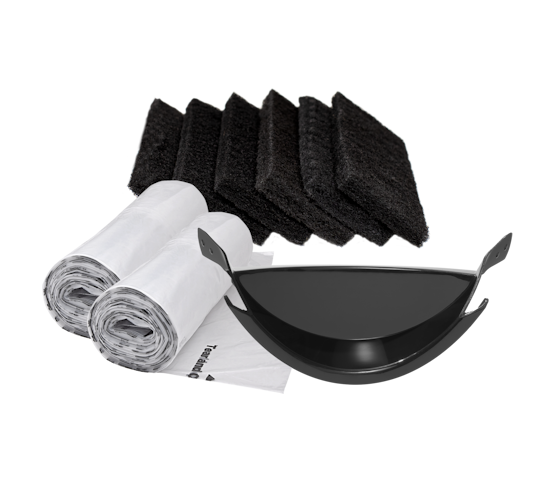

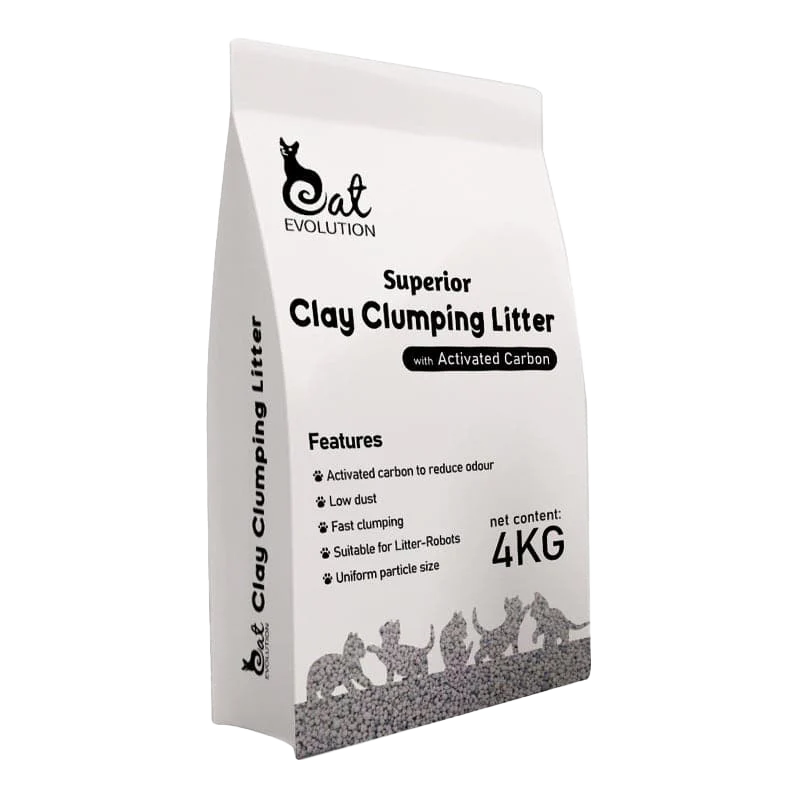



Self-cleaning litter boxes have made cat care significantly more convenient by reducing manual scooping and improving hygiene. However, even the most advanced automatic litter box still requires proper litter maintenance to remain effective.
Understanding how often to replace litter in a self-cleaning litter box is essential for:
-
Maintaining hygiene
-
Reducing odours
-
Extending litter lifespan
-
Improving litter box performance
-
Supporting feline health and comfort
The ideal replacement schedule depends on several factors, including the number of cats, litter type, environmental conditions, and the specific automatic litter box being used.
This guide explains how often litter should be changed in self-cleaning litter boxes, which litter types work best, and how Australian cat owners can maintain optimal litter box performance.
Why Proper Litter Maintenance Matters
Even with automated cleaning systems, litter gradually becomes saturated with moisture, odours, and fine waste particles over time.
Without regular replacement, problems may develop such as:
-
Persistent odours
-
Reduced clumping ability
-
Increased bacteria growth
-
Poor litter box hygiene
-
Cat avoidance behaviours
-
Reduced automatic cleaning performance
Maintaining fresh litter helps create a cleaner and healthier environment for both cats and owners.
Recommended Litter Replacement Frequency
General Self-Cleaning Litter Box Guidelines
Most self-cleaning litter boxes require complete litter replacement every:
-
2–4 weeks
This timeframe varies depending on:
-
Number of cats
-
Litter quality
-
Box size
-
Environmental humidity
-
Frequency of use
Daily waste removal through the automatic cleaning cycle helps extend litter lifespan, but full replacement remains necessary.
How Often Should You Change Litter in a Litter-Robot?
For households using a Litter-Robot, litter replacement is typically recommended every:
-
7–10 days for one cat
This schedule helps maintain:
-
Better odour control
-
Cleaner litter conditions
-
Improved clumping performance
-
Reliable automated cycling
Households with multiple cats may need more frequent replacement depending on usage levels.
Factors That Affect Litter Lifespan
Several important factors influence how long litter lasts inside an automatic litter box.
Number of Cats
More cats produce:
-
More waste
-
Faster litter saturation
-
Increased odour buildup
Multi-cat homes generally require:
-
More frequent litter top-ups
-
Shorter replacement intervals
-
More frequent waste drawer emptying
Type of Litter Used
Different litter materials perform differently in self-cleaning systems.
Some offer:
-
Better clumping
-
Stronger odour control
-
Improved moisture absorption
Higher-quality litter generally lasts longer and performs more effectively.
Environmental Conditions
Humidity and temperature can significantly affect litter lifespan.
High humidity may:
-
Reduce clumping performance
-
Increase moisture retention
-
Accelerate odour development
Proper room ventilation can help maintain better litter conditions.
Best Types of Litter for Self-Cleaning Boxes
Automatic litter boxes perform best with litter that forms firm clumps and separates easily during cleaning cycles.
Litter Comparison Table
|
Litter Type |
Clumping Ability |
Odour Control |
Eco-Friendly |
|
Clumping Litter |
High |
Excellent |
No |
|
Non-Clumping Litter |
Low |
Moderate |
Yes |
|
Plant-Based Litter |
Moderate |
Good |
Yes |
Choosing the correct litter can significantly improve both maintenance and performance.
Clumping Litter Benefits
Clumping litter is generally considered the best option for automatic litter boxes.
Advantages Include:
-
Superior odour control
-
Easier waste separation
-
Better moisture absorption
-
Cleaner automated cycles
-
Longer-lasting freshness
Most automatic litter box manufacturers recommend clumping litter for optimal results.
Plant-Based and Eco-Friendly Litters
Plant-based litters are becoming increasingly popular among environmentally conscious cat owners.
Common materials include:
-
Corn
-
Wheat
-
Recycled paper
-
Wood fibres
Benefits
-
Biodegradable
-
Lower environmental impact
-
Reduced chemical additives
However, some eco-friendly litters may not clump as firmly as traditional clay litter.
Always verify compatibility with your self-cleaning litter box model before use.
How Litter Type Affects Odour Control
Odour management is directly linked to litter quality and composition.
Clumping Litter
Clumping litter:
-
Absorbs moisture quickly
-
Traps odours effectively
-
Removes waste efficiently
This helps keep the litter box fresher for longer periods.
Non-Clumping Litter
Non-clumping litter generally:
-
Absorbs less moisture
-
Requires more frequent replacement
-
Provides weaker odour control
It is usually less effective in self-cleaning systems.
How to Maintain a Litter-Robot Properly
Routine maintenance helps extend litter lifespan and improve overall performance.
Important Maintenance Tasks Include:
-
Emptying the waste drawer regularly
-
Cleaning the globe periodically
-
Checking litter levels
-
Wiping internal surfaces
-
Monitoring for odour buildup
Consistent maintenance also helps preserve the lifespan of the unit itself.
Cleaning the Globe and Waste Drawer
Globe Cleaning
The globe should be cleaned periodically to prevent:
-
Residue buildup
-
Odour accumulation
-
Reduced cycling performance
Use:
-
Mild detergents
-
Pet-safe cleaning products
-
Soft cloths or sponges
Avoid harsh chemicals that may damage components.
Waste Drawer Maintenance
The waste drawer should be:
-
Checked frequently
-
Emptied before overflowing
-
Wiped down during litter changes
This helps reduce odours and maintain hygiene.
Signs That Litter Needs Immediate Replacement
Sometimes litter needs replacing sooner than expected.
Common Warning Signs Include:
-
Persistent strong odours
-
Poor clumping performance
-
Excessive moisture
-
Visible litter degradation
-
Increased dust
-
Cat avoidance of the litter box
Prompt replacement helps maintain a comfortable environment for cats.
Cat Behaviour Can Indicate Litter Problems
Cats are highly sensitive to litter box cleanliness.
If litter conditions deteriorate, cats may:
-
Avoid the litter box
-
Eliminate elsewhere
-
Show signs of stress
-
Become reluctant to enter the box
Monitoring litter box behaviour can help identify maintenance issues early.
Troubleshooting Poor Litter Performance
If litter is not lasting as expected, several adjustments may help.
Recommended Solutions
Use High-Quality Clumping Litter
Premium clumping litter generally offers:
-
Better absorption
-
Stronger odour control
-
Longer lifespan
Empty the Waste Drawer More Frequently
Overflowing waste drawers can accelerate odour buildup and reduce overall performance.
Improve Room Ventilation
Better airflow helps:
-
Reduce humidity
-
Slow odour accumulation
-
Improve litter freshness
Maintain Proper Litter Levels
Too little litter may:
-
Reduce clumping efficiency
-
Increase wear on the system
-
Affect waste separation
Always maintain the manufacturer’s recommended litter depth.
Multi-Cat Household Considerations
In homes with multiple cats, litter maintenance requirements increase significantly.
Multi-Cat Maintenance Tips
-
Replace litter more frequently
-
Empty waste drawers daily if needed
-
Use larger-capacity litter boxes
-
Add additional litter boxes where possible
-
Monitor odour levels closely
These steps help maintain hygiene and reduce territorial stress.
Eco-Friendly Litter Considerations
Many cat owners now seek more sustainable litter solutions.
Common Eco-Friendly Options
-
Corn litter
-
Wheat litter
-
Recycled paper litter
-
Wood pellet litter
While environmentally friendly, some options may require:
-
More frequent maintenance
-
Additional testing for compatibility
-
Closer monitoring of clumping performance
Improving Odour Control in Self-Cleaning Boxes
Odour control depends on both litter quality and routine maintenance.
Best Practices Include:
-
Using premium clumping litter
-
Emptying waste drawers regularly
-
Replacing litter on schedule
-
Cleaning components consistently
-
Maintaining room ventilation
-
Using carbon filters where applicable
These habits help create a cleaner indoor environment.
Conclusion
Proper litter maintenance is essential for keeping self-cleaning litter boxes hygienic, effective, and comfortable for cats.
While automatic litter boxes reduce daily scooping, litter still requires regular replacement to maintain odour control, clumping performance, and overall cleanliness.
Factors such as litter quality, household size, humidity, and maintenance habits all influence how long litter remains effective.
By using high-quality clumping litter, maintaining regular cleaning routines, and monitoring your cat’s behaviour, you can maximise litter lifespan while ensuring a cleaner and healthier environment for both pets and owners.
Explore premium self-cleaning litter box products, litter solutions, and smart cat care accessories through Cat Evolution for improved feline hygiene and easier litter management.
Frequently Asked Questions
Most automatic litter boxes require full litter replacement every 2–4 weeks, depending on usage and litter type.
For one cat, litter is typically replaced every 7–10 days to maintain optimal hygiene and odour control.
Yes. Clumping litter provides better waste separation, odour control, and automated cleaning performance.
Some eco-friendly litters are compatible, but performance varies. Always verify compatibility with your specific model.
Strong odours may result from saturated litter, high humidity, poor ventilation, or infrequent waste drawer emptying.
Persistent odours, weak clumping, visible litter breakdown, and litter box avoidance are all common signs.