


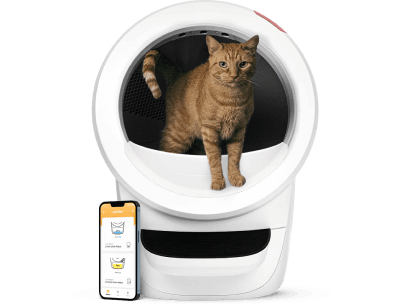





Automatic litter boxes have become increasingly popular among Australian cat owners looking to simplify daily cleaning and improve litter box hygiene. However, one of the most common questions for multi-cat households is:
How many cats can comfortably share one automatic litter box?
While automatic litter boxes such as the Litter-Robot are designed to handle higher usage levels than traditional litter trays, successful sharing depends on several important factors including:
-
Cat behaviour
-
Waste capacity
-
Cleaning frequency
-
Litter quality
-
Placement within the home
In this guide, we explain how many cats can realistically share one automatic litter box, how to maintain hygiene in multi-cat households, and how to create a stress-free environment for your cats.
Why Litter Box Management Matters in Multi-Cat Homes
Cats are naturally territorial animals, and litter box access plays an important role in their comfort and wellbeing.
Poor litter box management can lead to:
-
Stress and anxiety
-
Territorial disputes
-
Inappropriate urination
-
Odour build-up
-
Hygiene issues
-
Avoidance behaviours
Providing the correct number of litter boxes and maintaining them properly helps create a cleaner and more harmonious home for both cats and owners.
The General Rule for Multi-Cat Litter Boxes
Most feline behaviour experts recommend:
One Litter Box Per Cat — Plus One Extra
For example:
|
Number of Cats |
Recommended Number of Litter Boxes |
|
1 Cat |
2 Boxes |
|
2 Cats |
3 Boxes |
|
3 Cats |
4 Boxes |
|
4 Cats |
5 Boxes |
This guideline helps reduce:
-
Competition
-
Resource guarding
-
Stress-related behaviours
-
Queueing during busy periods
Even with automatic litter boxes, this recommendation still applies in many households.
How Many Cats Can Use One Automatic Litter Box?
Automatic litter boxes are designed to support more frequent use compared to standard litter trays.
Litter-Robot Capacity
The Litter-Robot is commonly suitable for:
-
Up to 3 cats comfortably
This depends on:
-
Proper maintenance
-
Frequent waste drawer emptying
-
Consistent litter levels
-
Healthy litter box habits among cats
For many households, one well-maintained Litter-Robot can successfully replace multiple traditional litter trays.
Why Automatic Litter Boxes Work Better for Multi-Cat Homes
Traditional litter trays can become dirty very quickly when shared by several cats.
Automatic litter boxes improve hygiene by:
-
Separating waste automatically
-
Refreshing clean litter after each use
-
Reducing odours
-
Minimising manual scooping
-
Keeping the litter area cleaner for longer
This makes them particularly useful in:
-
Busy households
-
Apartments
-
Indoor-cat homes
-
Multi-cat families
Behavioural Factors That Affect Litter Box Sharing
Even the best automatic litter box cannot completely eliminate behavioural challenges between cats.
Territorial Behaviour
Some cats dislike sharing elimination spaces.
Common signs include:
-
Blocking access to the litter box
-
Guarding behaviour
-
Aggression near the unit
-
Avoidance of the litter area
More dominant cats may intimidate timid cats, preventing comfortable sharing.
Individual Preferences
Cats often have strong personal preferences regarding:
-
Box location
-
Litter type
-
Privacy
-
Noise levels
-
Entry style
Some cats adapt quickly to automatic litter boxes, while others require a gradual transition period.
Best Practices for Introducing Multiple Cats to an Automatic Litter Box
Introducing cats slowly can significantly improve success rates.
Step 1: Allow Exploration
Place the automatic litter box in a quiet area and allow cats to investigate it naturally.
Avoid forcing interaction.
Step 2: Keep Existing Litter Boxes Initially
Do not immediately remove traditional litter trays.
Allow cats to transition gradually while becoming comfortable with the new system.
Step 3: Monitor Behaviour
Watch for signs of stress or avoidance such as:
-
Urinating outside the box
-
Hesitation
-
Aggression
-
Excessive grooming
If issues arise, additional litter boxes may still be required.
Step 4: Reward Positive Behaviour
Positive reinforcement can help encourage successful use.
You can:
-
Offer treats after use
-
Use calm praise
-
Maintain a consistent routine
Patience is essential during the adjustment period.
Ideal Placement for Automatic Litter Boxes
Placement strongly affects whether cats will comfortably share a litter box.
Recommended Locations
Choose areas that are:
-
Quiet
-
Low-traffic
-
Easily accessible
-
Well-ventilated
-
Away from food and water bowls
Avoid placing litter boxes near:
-
Loud appliances
-
Busy hallways
-
Washing machines
-
Areas where cats may feel trapped
Providing multiple access points can reduce territorial tension in multi-cat homes.
Cleaning and Maintenance in Multi-Cat Households
Higher usage requires more frequent maintenance.
Even self-cleaning litter boxes still require regular attention.
Recommended Cleaning Schedule
Daily Maintenance
Tasks include:
-
Emptying the waste drawer
-
Checking litter levels
-
Inspecting for jams or errors
-
Monitoring odours
Weekly Maintenance
Perform a deeper clean by:
-
Wiping surfaces
-
Cleaning sensors
-
Replacing liners
-
Checking moving components
Regular cleaning helps maintain:
-
Hygiene
-
Odour control
-
Mechanical performance
-
Cat comfort
Odour Control in Shared Automatic Litter Boxes
Multi-cat households naturally create stronger odours due to increased usage.
Tips for Better Odour Management
Use High-Quality Clumping Litter
Quality clumping litter helps:
-
Trap moisture
-
Reduce ammonia smells
-
Improve waste separation
Empty Waste Drawers Frequently
Allowing waste to build up can increase:
-
Odours
-
Bacteria
-
Stress for cats
Frequent emptying maintains a fresher environment.
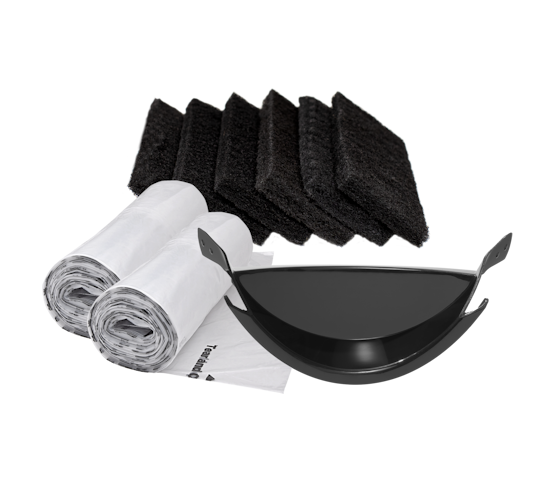
Use Carbon Filters
Many automatic litter boxes include carbon filters that help:
-
Neutralise odours
-
Improve indoor air quality
-
Reduce lingering smells
Replacing filters regularly improves performance.
Signs Your Cats Need Additional Litter Boxes
Some households may still require multiple automatic or traditional litter boxes.
Warning Signs Include:
-
Avoidance of the litter box
-
Accidents outside the tray
-
Aggression near the unit
-
Excessive vocalisation
-
One cat monopolising the box
-
Increased stress behaviours
If these signs appear, adding another litter box can often resolve the issue quickly.
Choosing the Right Automatic Litter Box for Multiple Cats
Not all automatic litter boxes are designed for heavy usage.
Important Features to Look For
-
Large Waste Capacity
Larger drawers reduce maintenance frequency.
-
Reliable Sensors
Weight and motion sensors improve safety and efficiency.
-
Spacious Interior
Larger interiors help cats feel more comfortable and less confined.
-
Strong Odour Control
Features such as:
-
Carbon filters
-
Sealed waste compartments
-
Fast cleaning cycles
can greatly improve household freshness
Additional Tips for Multi-Cat Litter Box Success
Provide Backup Litter Boxes
Even if your automatic litter box handles multiple cats well, keeping an additional tray available can reduce stress.
Monitor Health Changes
Changes in litter habits may indicate:
-
Urinary issues
-
Stress
-
Digestive problems
-
Territorial concerns
Consult a veterinarian if behaviours suddenly change.
Maintain Consistent Routines
Cats thrive on predictability. Regular feeding, cleaning, and litter maintenance schedules help reduce anxiety.
Conclusion
Automatic litter boxes can significantly simplify litter management in multi-cat households by reducing manual scooping, improving hygiene, and controlling odours more effectively.
While many systems such as the Litter-Robot can comfortably support up to three cats, successful sharing still depends on:
-
Proper maintenance
-
Cat behaviour
-
Adequate litter box access
-
Consistent cleaning routines
By monitoring your cats carefully and maintaining a clean, stress-free environment, automatic litter boxes can provide a highly effective solution for modern multi-cat homes.
Explore automatic litter box solutions and multi-cat accessories at Cat Evolution to find the best setup for your cats and household.
Frequently Asked Questions
Yes. Many automatic litter boxes, including the Litter-Robot, can comfortably support up to three cats when maintained properly.
In many cases, yes. Behaviour specialists still recommend one litter box per cat plus one extra, especially in larger households.
Daily emptying is usually recommended for homes with multiple cats to maintain hygiene and odour control.
High-quality clumping litter is generally the best option for waste separation and odour management.
Some cats are more territorial than others. Adding another litter box often helps reduce stress and competition.
They can be, but supervision is recommended. Ensure the sensors detect smaller kittens properly before unsupervised use.