







Automatic litter boxes are transforming modern cat care by simplifying the management of solid and liquid waste. These self-cleaning systems automate waste separation, containment, and disposal, helping reduce manual scooping while improving household hygiene and odour control.
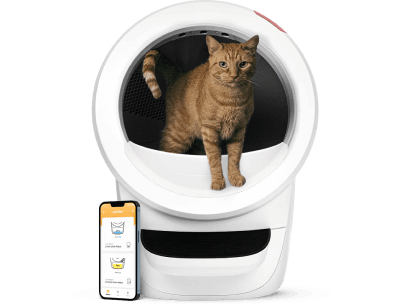
Models such as the Litter-Robot use intelligent sensors, rotating cleaning systems, and enclosed waste drawers to maintain a cleaner litter environment for both cats and owners. This guide explores how automatic litter boxes work, how they manage waste effectively, and why they are becoming increasingly popular among Australian cat owners.
Why Automatic Litter Boxes Are Becoming More Popular
Traditional litter trays require constant scooping and regular cleaning to maintain hygiene and minimise odours.
Automatic litter boxes help solve these issues by offering:
-
Reduced daily maintenance
-
Improved odour management
-
Cleaner litter between uses
-
Better hygiene for cats
-
Greater convenience for busy households
For many owners, automation significantly improves the overall litter management experience.
How Automatic Litter Boxes Work
Automatic litter boxes use a combination of sensors and mechanical cleaning systems to separate waste from clean litter automatically.
Most systems rely on:
-
Rotating globe mechanisms
-
Sifting trays
-
Weight-sensitive sensors
-
Timed cleaning cycles
Once the cat exits the litter box, sensors activate a cleaning cycle after a short delay to ensure safe operation.
The system then separates clumped waste from reusable litter and deposits it into a sealed waste drawer.
This process helps maintain cleaner litter for longer while reducing odours and manual cleaning.
How Automatic Litter Boxes Manage Solid Waste
Rotating and Sifting Mechanisms
Most automatic litter boxes use rotating or sifting systems to separate clumped waste efficiently.
During the cleaning cycle:
The litter rotates or passes through a filter
Clean litter returns to the main compartment
Waste clumps are separated and deposited into a waste drawer
This automated process keeps the litter cleaner between uses and reduces unnecessary litter waste.
How the Litter-Robot Handles Solid Waste
The Litter-Robot uses a rotating globe system designed to automate waste removal effectively.
After the cat leaves the unit:
-
The globe rotates slowly
-
Clean litter passes through a screening system
-
Clumped waste moves into a sealed waste drawer
The enclosed drawer helps contain odours while simplifying disposal for owners.
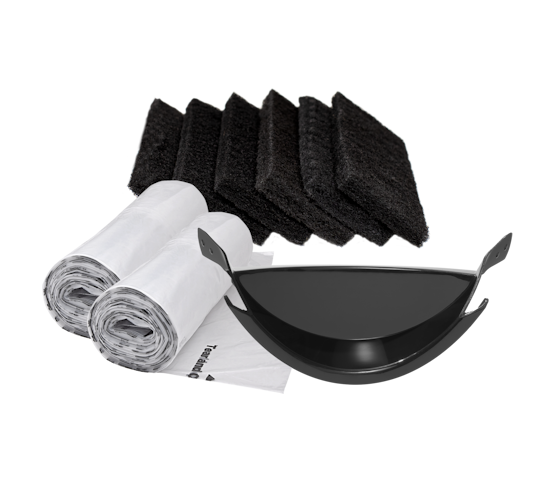
The system also works with standard liners and common rubbish bags, making maintenance straightforward and hygienic.
Benefits of Automated Solid Waste Disposal
Automatic waste disposal offers several practical advantages.
Cleaner Litter Between Uses
Waste is removed shortly after each use, helping maintain a cleaner litter surface for cats.
Reduced Manual Scooping
Owners spend significantly less time handling litter and waste.
Improved Household Hygiene
Frequent waste removal helps reduce bacterial build-up and unpleasant odours.
Better Convenience
Automated systems simplify litter maintenance for busy households and multi-cat homes.
Overall, self-cleaning litter boxes provide a more efficient and hygienic alternative to traditional litter trays.
How Automatic Litter Boxes Manage Liquid Waste and Odours
Managing liquid waste effectively is essential for controlling odours and maintaining hygiene.
Automatic litter boxes combine several features to reduce urine odours, including:
-
Clumping litter
-
Sealed waste drawers
-
Carbon filters
-
Enclosed designs
Together, these features help maintain fresher indoor air quality.
How Clumping Litter Helps Control Liquid Waste
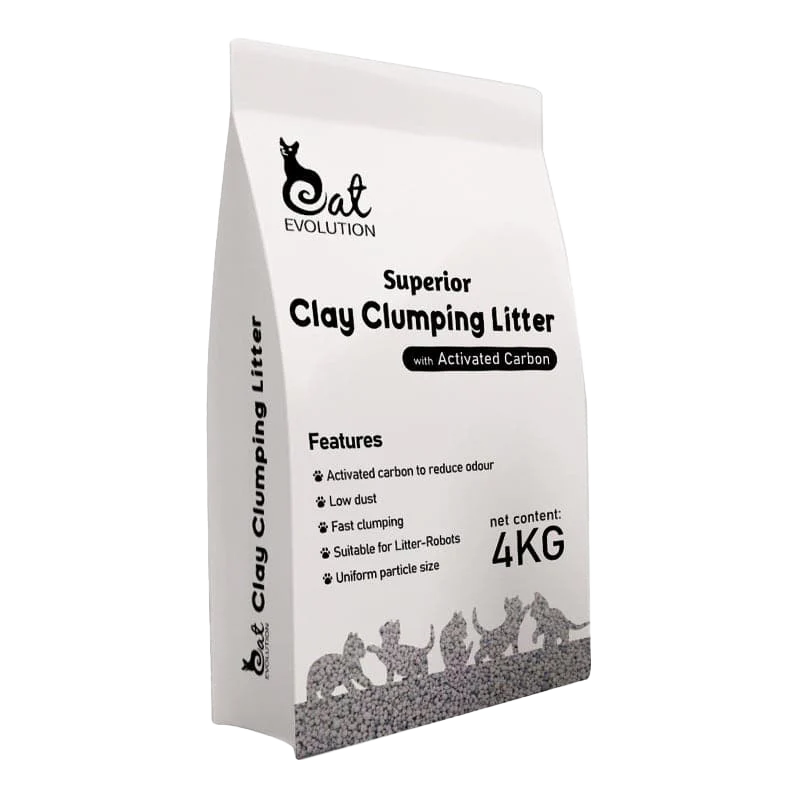
High-quality clumping litter plays an important role in liquid waste management.
Benefits include:
-
Faster moisture absorption
-
Improved odour containment
-
Easier waste separation
-
Cleaner litter remaining after each cycle
Low-dust clumping litter is generally recommended for automatic litter boxes.
Carbon Filters and Odour Control
Many automatic litter boxes, including the Litter-Robot, include optional activated carbon filters.
These filters help:
-
Absorb unpleasant odours
-
Improve air quality
-
Reduce ammonia smells
-
Keep the surrounding area fresher
Combined with regular waste removal, carbon filters can significantly improve odour management.
What Features Improve Hygiene and Convenience?
Large Ergonomic Design
The Litter-Robot’s spacious interior accommodates most cat breeds comfortably and supports multi-cat households.
Adjustable Cleaning Cycles
Owners can customise cleaning delays to improve clumping performance and suit their cat’s habits.
Built-In Night Light
A soft internal light helps cats locate the litter box more easily at night.
Sealed Waste Drawer
The enclosed drawer helps contain odours while keeping waste hidden from view.
These features combine to create a cleaner and more convenient litter management system.
Maintenance Requirements for Automatic Litter Boxes
Although automatic litter boxes reduce daily cleaning, regular maintenance is still important.
-
Daily Maintenance
Owners should:
-
Check litter levels
-
Ensure the waste drawer is not full
-
Confirm the system is operating correctly
-
Weekly Cleaning
Routine weekly tasks include:
-
Wiping surfaces
-
Removing litter residue
-
Inspecting sensors and moving parts
-
Deep Cleaning
Every few weeks, owners should:
-
Clean the globe thoroughly
-
Empty and sanitise the waste drawer
-
Replace liners and filters if required
Consistent maintenance helps improve hygiene and extend the lifespan of the unit.
Best Practices for Effective Waste Management
To achieve the best performance from an automatic litter box:
Use High-Quality Clumping Litter
Reliable clumping litter improves waste separation and odour control.
Empty the Waste Drawer Regularly
Frequent emptying prevents odour build-up and maintains hygiene.
Replace Carbon Filters as Needed
Fresh filters improve odour absorption and air quality.
Monitor the Cleaning System
Regularly check sensors and moving components to ensure proper operation.
These simple steps help maintain efficient performance and a cleaner litter area.
Why Many Australian Cat Owners Choose the Litter-Robot
The Litter-Robot has become a popular choice due to its combination of automation, odour control, and ease of use.
Popular features include:
-
Automated self-cleaning
-
Large waste drawer
-
Reduced daily maintenance
-
Effective odour containment
-
Compatibility with standard liners
-
Durable construction
These features make it a practical option for modern households seeking a cleaner and more convenient litter solution.
Conclusion
Automatic litter boxes provide an efficient and hygienic way to manage both solid and liquid cat waste. By automating waste separation and disposal, these systems reduce manual cleaning while helping maintain cleaner litter and better odour control.
Features such as rotating cleaning systems, sealed waste drawers, clumping litter compatibility, and carbon filters make products like the Litter-Robot a practical solution for modern cat owners.
With regular maintenance and the right litter, automatic litter boxes can significantly improve convenience, cleanliness, and overall cat hygiene in Australian households.
Frequently Asked Questions
High-quality clumping litter with low dust levels generally provides the best performance and odour control.
Yes. Most automatic litter boxes support multi-cat households, although waste drawers may require more frequent emptying.
They can be safe if the kitten meets the minimum weight requirements and the safety sensors function properly. Supervision is recommended during the adjustment period.
Most owners empty the waste drawer every 3–7 days, depending on the number of cats and usage levels.
Yes. Sealed waste drawers, carbon filters, and regular cleaning help minimise odours significantly.
With regular maintenance and proper care, high-quality automatic litter boxes can last for several years.