






Waste drawer liners play a major role in maintaining the cleanliness, hygiene, and performance of automatic litter boxes. While often overlooked, the right liner can significantly reduce odours, prevent leaks, simplify cleaning, and improve the overall efficiency of your litter box system.
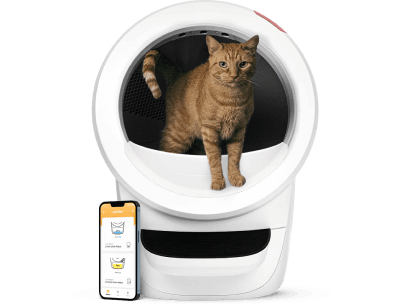
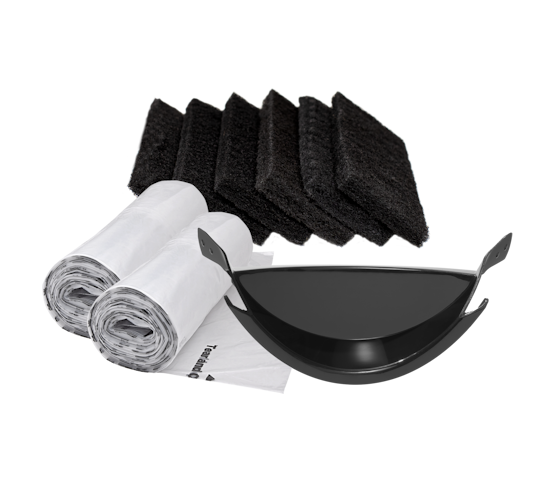
For automated litter boxes such as the Litter-Robot, choosing purpose-designed liners helps ensure a secure fit and more reliable waste containment. Combined with carbon filters and regular maintenance, quality liners help create a fresher and more hygienic environment for both cats and owners.
In this guide, we explore how to choose the best waste drawer liners, compare material options, explain the importance of carbon filters, and provide practical maintenance tips for long-term litter box performance.
Why Waste Drawer Liners Are Important
Waste drawer liners act as a protective barrier between the litter waste and the drawer itself.
Their main benefits include:
-
Improved hygiene
-
Faster waste disposal
-
Reduced odour build-up
-
Easier cleaning
-
Less direct contact with waste
-
Protection against stains and residue
Without proper liners, waste can stick to the drawer surface, leading to unpleasant smells and more intensive cleaning requirements over time.
For busy households and multi-cat homes, liners greatly simplify maintenance routines.
How Waste Drawer Liners Improve Litter Box Performance
Purpose-designed liners help automated litter boxes operate more effectively.
Key Performance Benefits
-
Better Waste Containment
A properly fitted liner prevents waste from leaking or escaping during cleaning cycles.
-
Improved Odour Control
Many premium liners include odour-resistant materials or activated carbon layers that help neutralise smells.
-
Faster Maintenance
Liners allow owners to remove waste quickly without scrubbing the waste drawer after every emptying cycle.
-
Longer Equipment Lifespan
Protecting the waste drawer from residue and moisture can help preserve the internal components of automatic litter boxes.
Common Materials Used in Waste Drawer Liners
Waste drawer liners are available in several materials, each with different advantages.
Biodegradable Liners
Eco-friendly liners are typically made from compostable or plant-based materials.
Benefits Include:
-
Reduced environmental impact
-
More sustainable disposal
-
Lower plastic waste
-
Suitable for environmentally conscious households
However, some biodegradable liners may be slightly less durable than reinforced plastic alternatives.
PVC and Heavy-Duty Plastic Liners
Heavy-duty liners are designed for durability and leak prevention.
Advantages Include:
-
Higher tear resistance
-
Better moisture protection
-
Stronger waste containment
-
Suitable for multi-cat households
These liners are ideal for homes with heavy litter box usage.
Multi-Layer Odour-Control Liners
Some premium liners combine durability with integrated odour management features.
These may include:
-
Activated carbon layers
-
Odour-neutralising coatings
-
Reinforced leak barriers
Such liners help maintain a fresher litter box area for longer periods.
Why Litter-Robot Compatible Liners Matter
Using liners specifically designed for the Litter-Robot offers several advantages over generic alternatives.
Benefits of Model-Specific Liners
Purpose-designed liners provide:
-
A precise fit
-
Better leak prevention
-
Improved waste containment
-
Easier installation
-
Reduced liner movement during cycling
A secure fit helps ensure the waste drawer operates smoothly during automatic cleaning cycles.
Problems With Using Generic Trash Bags
Although some owners attempt to use standard rubbish bags, they are generally not ideal for automated litter boxes.
Common Issues Include:
-
Poor fit
-
Slipping or bunching
-
Increased risk of leaks
-
Reduced odour control
-
Tearing during removal
Generic bags also lack the specialised design features required for optimal automated litter box performance.
For consistent results, purpose-fit liners are the better option.
The Role of Carbon Filters in Odour Control
Carbon filters work alongside waste drawer liners to improve litter box freshness.
How Carbon Filters Work
Activated carbon traps odour-causing molecules before they spread into the room.
Benefits include:
-
Reduced litter box smells
-
Improved indoor air quality
-
Better odour absorption
-
Fresher surrounding environment
Carbon filters are especially useful in:
-
Apartments
-
Smaller homes
-
Multi-cat households
-
Poorly ventilated areas
Why Carbon Filters and Liners Work Best Together
Waste drawer liners physically contain waste, while carbon filters actively absorb airborne odours.
Together, they create a layered odour-control system that improves overall hygiene and comfort.
Combined Benefits Include:
-
Cleaner waste containment
-
Reduced odour spread
-
Easier maintenance
-
Improved sanitation
-
Better household comfort
This combination is particularly effective for automated litter box systems such as the Litter-Robot.
How Often Should Carbon Filters Be Replaced?
Carbon filters gradually lose effectiveness as they absorb odours.
Recommended Replacement Schedule
Most carbon filters should be replaced:
-
Every 4–6 weeks
However, replacement frequency depends on:
-
Number of cats
-
Household humidity
-
Litter box usage
-
Ventilation
-
Odour intensity
If unpleasant smells begin returning sooner, the filter may require earlier replacement.
Best Practices for Maintaining Waste Drawer Liners
Proper maintenance helps maximise hygiene and liner performance.
1. Replace Liners Regularly
Do not allow waste to accumulate excessively.
Most households should replace liners:
-
Every 1–2 weeks
-
More frequently for multiple cats
2. Clean the Waste Drawer Thoroughly
Before installing a new liner:
-
Remove residue
-
Wipe surfaces clean
-
Use pet-safe cleaning products
-
Dry the drawer completely
Routine cleaning helps prevent bacterial build-up and lingering odours.
3. Install Liners Correctly
Ensure the liner:
-
Fits securely
-
Covers all corners
-
Has no folds or bunching
-
Does not shift during operation
Improper installation can cause leaks and waste accumulation.
How to Properly Install Waste Drawer Liners
Correct installation improves both hygiene and performance.
Step-by-Step Installation Guide
Step 1 — Remove the Used Liner
Carefully lift out the old liner to avoid spills.
Step 2 — Clean the Drawer
Use a mild pet-safe cleaner to remove:
-
Residue
-
Dust
-
Moisture
-
Odour build-up
Allow the drawer to dry fully.
Step 3 — Position the New Liner
Place the liner neatly inside the waste drawer.
Ensure it:
-
Fits snugly
-
Covers all surfaces
-
Lies flat without creases
Step 4 — Secure the Edges
Fold or secure the liner around the drawer edges to prevent movement during cleaning cycles.
Step 5 — Reinsert the Drawer
Slide the drawer back into the unit carefully and confirm proper positioning.
Additional Tips for Better Odour Control
Improving litter box hygiene goes beyond liners alone.
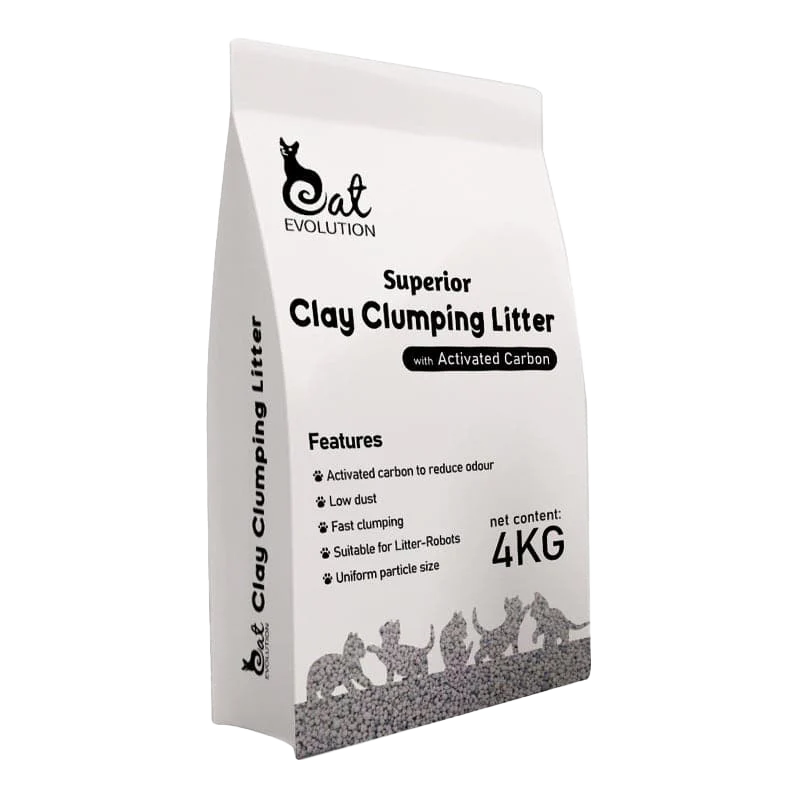
Use High-Quality Clumping Litter
Good clumping litter helps:
-
Trap moisture
-
Reduce odours
-
Simplify waste separation
-
Improve overall cleanliness
Improve Ventilation
Place the litter box in a well-ventilated area to reduce odour concentration.
Use Additional Odour Absorbers
Supplementary odour control options may include:
-
Baking soda
-
Activated charcoal absorbers
-
Pet-safe deodorising products
Monitor Odour Levels
Persistent smells often indicate:
-
The liner needs replacing
-
The carbon filter is exhausted
-
The drawer requires cleaning
Routine monitoring helps maintain a consistently fresh environment.
Choosing Eco-Friendly Waste Drawer Liners
Many cat owners now prefer sustainable litter box accessories.
Eco-Friendly Liner Benefits
Biodegradable liners help:
-
Reduce landfill waste
-
Minimise plastic usage
-
Support sustainable pet care practices
When selecting eco-friendly liners, ensure they still provide:
-
Proper fit
-
Adequate durability
-
Reliable odour control
Balancing sustainability with performance is important for long-term satisfaction.
Where to Buy Quality Waste Drawer Liners
Choosing reputable suppliers helps ensure compatibility and quality.
Australian cat owners can explore compatible liners, carbon filters, and automated litter box accessories through Cat Evolution.
Purpose-designed accessories help maintain optimal litter box performance while simplifying maintenance.
Conclusion
Choosing the right waste drawer liners is essential for maintaining effective odour control, hygiene, and long-term litter box performance.
Purpose-designed liners improve waste containment, reduce maintenance effort, and help protect automated litter boxes from residue and damage. When paired with activated carbon filters and consistent cleaning routines, they create a cleaner and more pleasant environment for both cats and owners.
By selecting high-quality, compatible liners and replacing them regularly, cat owners can significantly improve the efficiency and convenience of their litter box setup.
Explore compatible liners, carbon filters, and automated litter box accessories at Cat Evolution to optimise your litter box maintenance routine.
Frequently Asked Questions
Yes. Many biodegradable liners are designed for regular litter box use, although heavy-duty plastic liners may provide greater tear resistance in multi-cat households.
Generic rubbish bags are not recommended because they often fit poorly, shift during operation, and lack odour-control features.
Most households should replace liners every 1–2 weeks, depending on the number of cats and litter box usage.
Carbon filters significantly reduce odours but work best when combined with regular cleaning, quality litter, and proper liner replacement.
Common signs include: Persistent odours Discolouration Reduced airflow Noticeable decline in odour control
Correct installation prevents leaks, improves odour containment, and ensures smooth litter box operation during automatic cleaning cycles.