






Managing litter box odours is one of the biggest challenges for cat owners, particularly in indoor households and multi-cat homes. Without proper odour control, unpleasant smells can quickly spread throughout the home and affect overall comfort.
Carbon filters offer a simple and highly effective solution by trapping odour-causing particles before they circulate through the air. When combined with quality litter, regular cleaning, and waste drawer liners, activated carbon filters can dramatically improve litter box hygiene and indoor air quality.
In this guide, we’ll explain how carbon filters work, why they are important for litter box maintenance, and how Australian cat owners can create a fresher and cleaner home environment using effective odour control solutions.
What Are Carbon Filters?
Carbon filters use activated carbon to trap odour molecules and airborne particles.
Unlike air fresheners that simply mask smells, activated carbon removes odours by adsorbing the particles responsible for unpleasant smells.
This process helps:
-
Reduce litter box odours
-
Improve indoor air quality
-
Minimise airborne irritants
-
Create a cleaner home environment
Carbon filtration is commonly used in:
-
Air purifiers
-
Water filtration systems
-
HVAC systems
-
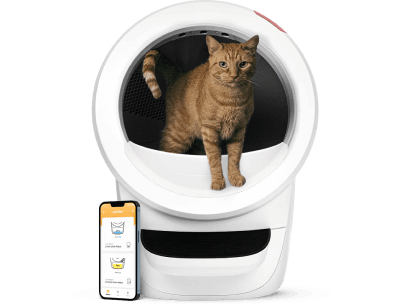
Automated litter boxes such as the Litter-Robot
Its ability to absorb odours naturally makes it one of the most effective litter box odour control solutions available.
How Carbon Filters Work
Activated carbon contains millions of microscopic pores that create a very large surface area.
As air passes through the filter:
-
Odour molecules become trapped inside the carbon.
-
Volatile organic compounds (VOCs) are absorbed.
-
Cleaner air is released back into the environment.
This adsorption process prevents unpleasant smells from circulating through the home.
Unlike chemical sprays or scented products, activated carbon neutralises odours rather than covering them up temporarily.
Why Carbon Filters Matter for Litter Boxes
Litter box odours develop from:
-
Cat waste
-
Moisture build-up
-
Bacteria
-
Litter breakdown
Without proper odour management, smells can quickly become difficult to control, especially in enclosed indoor spaces.
Benefits of Carbon Filters for Cat Owners
Carbon filters help:
-
Reduce unpleasant smells
-
Improve household comfort
-
Support cleaner indoor air
-
Reduce airborne irritants
-
Create a more hygienic litter area
This is particularly beneficial for:
-
Apartment living
-
Multi-cat households
-
Small homes
-
Owners sensitive to odours
Why Carbon Filters Are Better Than Air Fresheners
Traditional air fresheners often only mask unpleasant smells temporarily.
Carbon filters work differently by physically trapping odour molecules before they spread through the home.
Carbon Filters vs Air Fresheners
|
Carbon Filters |
Air Fresheners |
|
Remove odours at the source |
Mask odours temporarily |
|
Improve air quality |
Add fragrance to the air |
|
Reduce airborne irritants |
Do not remove bacteria |
|
Long-lasting performance |
Require frequent reapplication |
For long-term litter box odour control, activated carbon is generally far more effective.
How the Litter-Robot Uses Carbon Filters
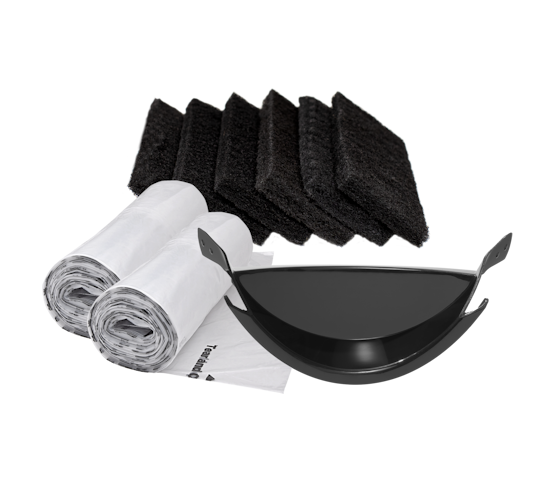
The Litter-Robot includes integrated carbon filters designed to improve odour management inside the waste drawer.
These filters help:
-
Trap odours before they escape
-
Maintain airflow
-
Reduce unpleasant smells
-
Improve overall hygiene
Combined with automated waste removal, carbon filtration helps create a cleaner and fresher litter system with minimal effort.
Choosing the Best Carbon Filters for Your Litter Box
Not all carbon filters offer the same performance. Choosing high-quality filters can significantly improve odour control and filter lifespan.
Key Features to Consider
1. Compatibility
Always choose filters designed for your specific litter box model to ensure:
-
Proper fit
-
Effective airflow
-
Maximum filtration efficiency
2. Activated Carbon Quality
Higher-quality activated carbon generally:
-
Absorbs more odours
-
Lasts longer
-
Performs more consistently
Premium filters usually provide better long-term value.
3. Filter Size and Fit
Incorrectly sized filters can allow odours to escape around the edges.
A secure fit ensures all air passes through the activated carbon properly.
4. Replacement Frequency
Most carbon filters require replacement every:
-
1–3 months for standard use
-
More frequently in multi-cat households
Regular replacement helps maintain optimal performance.
Do Waste Drawer Liners Improve Odour Control?
Yes, waste drawer liners work exceptionally well alongside carbon filters.
Together, they create a layered odour management system that:
-
Improves waste containment
-
Reduces leaks
-
Minimises residue build-up
-
Simplifies cleaning
Liners also help prevent waste from sticking directly to the drawer, making maintenance easier and more hygienic.
Benefits of Combining Carbon Filters and Waste Drawer Liners
Using both products together provides several advantages:
-
Better Odour Management
Carbon filters trap airborne smells while liners help contain waste inside the drawer.
-
Easier Cleaning
Liners simplify waste removal and reduce the need for deep cleaning.
-
Improved Hygiene
Reducing direct contact with waste helps minimise bacteria and residue build-up.
-
Longer Equipment Lifespan
Keeping the waste drawer cleaner may help reduce long-term wear and staining.
Are Eco-Friendly Carbon Filters Available?
Yes, some manufacturers now offer environmentally friendly filter options made with:
-
Sustainable activated carbon
-
Recyclable materials
-
Biodegradable components
Eco-friendly options allow cat owners to reduce environmental impact while still maintaining effective odour control.
Maintenance Tips for Better Odour Control
Proper maintenance is essential for keeping litter box smells under control.
1. Replace Carbon Filters Regularly
Replace filters according to manufacturer recommendations or sooner if odours become noticeable.
Most households benefit from replacing filters every 1–3 months.
2. Clean the Litter Box Frequently
Even with carbon filtration, regular cleaning is still important.
Routine cleaning helps:
-
Reduce bacteria
-
Prevent residue build-up
-
Improve filter performance
3. Replace Waste Drawer Liners Frequently
Liners should generally be replaced:
-
Weekly for single-cat homes
-
More frequently for multi-cat households
Fresh liners improve odour containment and hygiene.
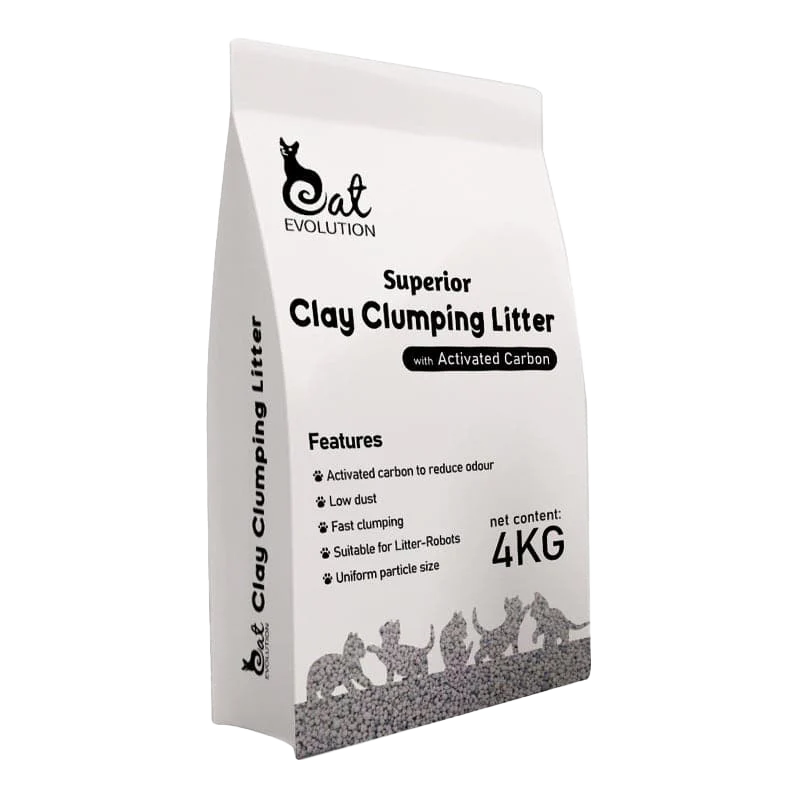
4. Use High-Quality Litter
Some litters include built-in odour control ingredients such as:
-
Activated carbon
-
Baking soda
-
Moisture-absorbing minerals
Combining quality litter with carbon filters delivers better overall results.
5. Monitor Moisture Build-Up
Excess moisture can reduce filter effectiveness and increase bacterial growth.
Ensure the litter area remains dry and well-maintained.
Common Carbon Filter Problems and Solutions
|
Problem |
Cause |
Solution |
|
Persistent odours |
Old filter |
Replace the filter |
|
Poor airflow |
Incorrect fit |
Check filter compatibility |
|
Weak odour control |
Low-quality carbon |
Upgrade to premium filters |
|
Filter damage |
Moisture exposure |
Keep filters dry |
Routine maintenance prevents most filter-related issues.
Why Australian Cat Owners Prefer Carbon Filters
Carbon filters have become increasingly popular among Australian cat owners because they:
-
Improve household comfort
-
Reduce litter box smells
-
Support cleaner indoor air
-
Simplify odour management
-
Work effectively in smaller homes and apartments
For indoor cat owners, effective odour control can make a significant difference to day-to-day living.
Conclusion
Carbon filters provide an effective and long-lasting solution for controlling litter box odours and improving indoor air quality.
Unlike products that simply mask smells, activated carbon filters trap odour molecules directly, helping create a cleaner and fresher environment for both cats and owners.
When combined with waste drawer liners, regular cleaning, and high-quality litter, carbon filters form an essential part of an effective litter box maintenance routine.
Explore premium carbon filters, liners, and litter box accessories at Cat Evolution to create a cleaner, more comfortable home for you and your cat.
Frequently Asked Questions
No. Washing activated carbon damages its porous structure and reduces its ability to absorb odours effectively.
Most carbon filters should be replaced every 1–3 months, depending on usage and household conditions.
Yes. Carbon filters help remove odour-causing compounds and airborne irritants, improving overall indoor air quality.
Carbon filters generally work well with most litter types, although clumping and odour-control litters usually provide the best results.
Check that you have selected the correct filter size and model for your litter box system.
Yes. Enzyme-based deodorisers and high-quality litter can complement carbon filters for improved odour management.