








Choosing the right cat becomes much easier when you understand how different breeds look, behave, and interact with their environment. While every cat has its own personality, certain traits tend to appear consistently within particular breeds. This guide introduces ten of the most popular domestic cat breeds, explores their defining physical features, highlights common temperament patterns, and outlines the general care considerations that can help you decide which breed best fits your lifestyle.
Rather than ranking breeds on “best” or “worst,” this guide focuses on insight: what makes each breed special, what an owner can typically expect, and how to match a cat’s needs with your home, family, and daily routine.
Top 10 Most Popular Domestic Cat Breeds
Below are the ten widely recognised and commonly adopted cat breeds across the U.S., Australia, and other Western regions. Each has distinct traits that appeal to different types of households.
-
Maine Coon – Large, tufted ears, friendly “dog-like” nature
-
Ragdoll – Blue-eyed, gentle, famously relaxed
-
Siamese – Sleek, vocal, highly people-oriented
-
Persian – Long, luxurious coat and calm temperament
-
Bengal – Energetic, adventurous, striking wild-like markings
-
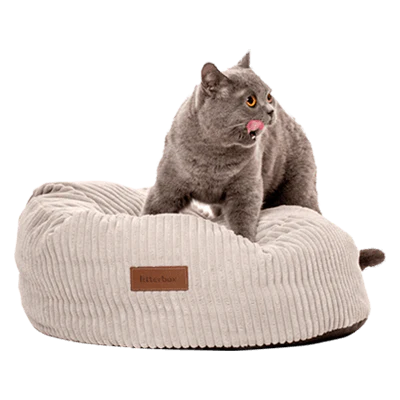
British Shorthair – Easygoing, plush-coated, round-faced
-
American Shorthair – Balanced temperament and robust physique
-
Russian Blue – Reserved, intelligent, with a velvety blue coat
-
Abyssinian – Curious, playful, active explorer
-
Domestic Shorthair (Mixed Breed) – Wide variety of looks and personalities
These breeds are popular because they are well-documented, widely available, and offer predictable temperament trends that help owners choose confidently.
How Their Physical Characteristics Differ
While every cat is unique, understanding a breed’s typical appearance helps predict grooming needs and environmental preferences.
| Breed | Coat Type | Common Colours/Patterns | Size | Typical Eye Colours |
|---|---|---|---|---|
| Maine Coon | Long, shaggy, water-resistant | Tabby, solid, bi-colour | Large | Green, gold |
| Ragdoll | Semi-long, silky | Colourpoint varieties | Large | Blue |
| Siamese | Short, sleek | Pointed patterns | Medium | Bright blue |
| Persian | Long, dense | Solids, bi-colour, shaded | Medium–Large | Copper, blue |
| Bengal | Short, sleek | Spotted or marbled | Medium–Large | Gold, green |
| British Shorthair | Short, plush | Blue, tabby, bi-colour | Medium–Large | Copper, gold |
| American Shorthair | Short, dense | Tabby, solid | Medium | Green, gold |
| Russian Blue | Short, double coat | Blue-silver | Medium | Green |
| Abyssinian | Short, ticked | Ruddy, red, blue | Small–Medium | Gold, amber |
| Domestic Shorthair | Highly variable | All patterns and colours | Varies | Varies |
These visual traits aren’t just about looks, they influence grooming routines, how often shedding occurs, and how comfortable a cat may be in warmer or cooler climates.
Breed Personalities: What to Expect
Breed tendencies can help you anticipate behaviour, though individual personality, socialisation, and upbringing always play a large role.
| Breed | Affection Level | Vocality | Energy | Independence | Trainability |
|---|---|---|---|---|---|
| Maine Coon | High | Low–Medium | Medium | Medium | Medium |
| Ragdoll | Very high | Low | Low–Medium | Low | Medium |
| Siamese | High | Very high | Medium | Low | High |
| Persian | High | Low | Low | Medium | Low–Medium |
| Bengal | Medium | Medium | Very high | Medium | High |
| British Shorthair | Medium | Low | Low–Medium | High | Low |
| American Shorthair | Medium | Low | Medium | Medium | Medium |
| Russian Blue | Medium | Low | Medium | High | Medium |
| Abyssinian | Medium | Medium | Very high | Medium | High |
| Domestic Shorthair | Variable | Variable | Variable | Variable | Variable |
Examples of Breed Tendencies
-
Most affectionate: Ragdolls, Persians
-
Most vocal and talkative: Siamese
-
Most energetic: Bengals and Abyssinians
-
Most adaptable: American and British Shorthairs
-
More independent personalities: Russian Blues, British Shorthairs
These trends help families and individuals choose a cat whose temperament matches their lifestyle.
Care Requirements Across Breeds
Each breed has different grooming needs, play requirements, and environmental preferences.
| Breed | Grooming Needs | Enrichment & Play Needs | Notes |
|---|---|---|---|
| Maine Coon | Moderate–High | Moderate | Enjoy climbing and interactive toys |
| Ragdoll | Moderate | Low–Moderate | Prefer calm environments |
| Siamese | Low | Medium–High | Thrive on attention and conversation |
| Persian | High (daily brushing) | Low | Relaxed and suited to quiet homes |
| Bengal | Low | Very high | Needs space, vertical areas, activity |
| British Shorthair | Low–Moderate | Low–Moderate | Enjoy routine more than chaos |
| American Shorthair | Low | Medium | Adaptable and family-friendly |
| Russian Blue | Low | Low–Moderate | Likes structure and predictable routines |
| Abyssinian | Low | Very high | Excellent for active households |
| Domestic Shorthair | Varies | Varies | Often low-maintenance companions |
Origins & Why They Matter
A breed’s history often explains its behaviour and appearance:
-
Maine Coon: Natural development in North America—built for cold weather and known for their hardy nature.
-
Ragdoll: Selectively bred for calm, affectionate temperaments.
-
Siamese: One of the oldest documented breeds, historically linked with palace life.
-
Persian: Known for long coats shaped through centuries of selective breeding.
-
Bengal: Developed by combining domestic cats with Asian Leopard Cats (modern Bengals are fully domestic).
-
British & American Shorthair: Evolved from working cats valued for adaptability.
-
Russian Blue: Believed to originate from northern Russia, resulting in its plush double coat.
-
Abyssinian: Thought to descend from ancient ticked-coat cats known for agility.
-
Domestic Shorthair: A diverse mixed-breed category with wide genetic variety.
These origins offer context, not guarantees, but they help explain typical tendencies.
How to Choose the Best Breed for Your Household
When selecting a breed (or mixed-breed companion), consider:
Your activity levels
-
Busy home → Maine Coon, American Shorthair
-
Calm or low-energy home → Ragdoll, Persian
-
Very active home → Bengal, Abyssinian
Grooming tolerance
-
Love grooming? → Persian or Maine Coon
-
Prefer low fuss? → British Shorthair, Russian Blue
Noise sensitivity
-
Prefer quiet? → British Shorthair, Russian Blue, Persian
-
Enjoy chatter? → Siamese
Homes with children or other pets
-
Family-friendly → Ragdoll, Maine Coon, American Shorthair
-
Adaptable to dogs → Maine Coon, American Shorthair
Apartment living
-
British Shorthair, Russian Blue, Persian
-
(Avoid very high-energy breeds unless highly enriched)
Always meet the cat when possible—individual personality matters just as much as breed.
Final Thoughts
Understanding these ten common breeds helps cat parents make confident, informed decisions when choosing a feline companion. Each breed offers its own blend of personality, grooming needs, and lifestyle compatibility. Whether you prefer a talkative Siamese, a gentle Ragdoll, a lively Bengal, or a low-maintenance Domestic Shorthair, the key is matching your cat’s natural tendencies with the environment and daily rhythm you can provide.
A well-matched cat–owner relationship leads to a happier home for everyone, two-legged and four-legged alike.
Frequently Asked Questions
Popularity rankings vary by source, but breeds like the Domestic Shorthair, Maine Coon, Ragdoll, Persian, Siamese, and British Shorthair consistently appear at the top in the U.S. Domestic Shorthairs are the most common overall because they include a wide range of mixed-breed pets.
Yes and no. Purebred cats tend to have more predictable traits—coat type, size, and general temperament—because they’ve been selectively bred. Domestic Shorthairs are a genetic mix, so they can vary widely in personality and appearance. For most families, temperament and individual personality matter more than pedigree.
Generally, beginner-friendly breeds are easygoing, adaptable, and low-maintenance. Great options for first-time cat owners include the American Shorthair, British Shorthair, Ragdoll, Maine Coon, and many Domestic Shorthairs. They tend to be affectionate without being overly demanding and usually cope well with typical household life.
If you want a lap cat, look for breeds known for their gentle, people-focused nature. Ragdolls, Persians, Maine Coons, and many British Shorthairs are famous for enjoying close contact and quiet time with their humans. That said, individual personality still matters more than breed.
High-energy, “always on the go” breeds include Bengals, Abyssinians, and Siamese. They love climbing, puzzle toys, and interactive play. These breeds do best in homes that can provide daily structured playtime and plenty of vertical space.
No breed is 100% hypoallergenic, but some may trigger fewer reactions in allergy-prone people. Breeds like the Russian Blue, Siberian, and Balinese are often reported as more tolerable because they may produce lower levels of certain allergens. Even so, it’s essential to spend time with the breed first to see how your body reacts.
Look for cats that are moderately active, calm, and not excessively vocal. Breeds like the British Shorthair, Russian Blue, Persian, and many Domestic Shorthairs tend to adapt well to smaller spaces as long as they have scratching posts, hiding spots, and window views.
Absolutely. Long-haired breeds, such as Persians and Maine Coons, usually need daily or near-daily brushing to prevent mats and tangles. Short-haired breeds like the American Shorthair, Russian Blue, and Siamese typically require minimal grooming, though weekly brushing still helps with shedding and coat health.
Breeds described as patient, tolerant, and sociable tend to do best in busy households. Maine Coons, Ragdolls, American Shorthairs, and many Domestic Shorthairs are often good matches for families with kids or dogs, especially if introductions are done slowly and respectfully.
Both options can be responsible choices. Shelters and rescues often have purebred cats and mixed-breed Domestic Shorthairs needing homes. If you choose a breeder, make sure they are ethical—health-test their cats, allow you to see living conditions, and prioritise welfare over appearance. Whichever path you choose, always focus on health, temperament, and a good match for your lifestyle.