









Leaving your cat alone, or arranging care while you travel, raises both practical and emotional questions about feeding, safety, and well-being. This comprehensive guide explains what effective “cat care while you’re away” looks like, why structured planning reduces stress for both cats and owners, and how to match care options to your cat’s personality, age, and health needs.
You’ll learn how to choose between pet sitters, boarding facilities, or trusted friends; how to prepare your home and emergency documentation; and which tools and technology can reliably automate your cat’s daily routine. The article also explores separation anxiety, prevention strategies, and long-term care solutions for extended absences, helping you ensure your cat remains content and cared for until you return.
How Do I Choose the Best Cat Care Option While I’m Away?
Choosing the right form of care starts with identifying your cat’s needs: do they require strict routine preservation, medical oversight, or daily social interaction?
For short trips, most cats cope well with a day-visit sitter or a friend who follows their regular feeding and litter schedule. However, for cats with medical needs, anxiety, or behavioural issues, professional care or boarding under veterinary supervision may be more suitable.
Below is a quick comparison to help you choose the most appropriate option:
| Care Option | Typical Visit Frequency | Estimated Cost Range | Pros / Cons | Quick Vetting Checklist |
|---|---|---|---|---|
| In-home pet sitter | Daily or multiple visits | Low–Medium | Pros: Maintains routine, minimal stress. Cons: Dependent on sitter reliability. | Ask for references, insurance, and emergency procedures. |
| Day-visit sitter | 1–2 visits per day | Low | Pros: Affordable. Cons: Limited supervision. | Confirm visit duration, feeding skills, and medication handling. |
| Boarding facility | Continuous stay | Medium–High | Pros: Constant care and socialisation. Cons: Can be stressful for nervous cats. | Inspect cleanliness, staff ratios, and medical support. |
| Friend or family care | Variable | Often free | Pros: Familiar faces and environment. Cons: Inconsistent routine. | Provide written instructions, keys, and expectations. |
This overview helps you match your cat’s temperament and health needs to the right level of support. Next, we’ll look at how to vet a sitter and what to expect from boarding services.
What Are the Benefits and Vetting Tips for Hiring a Pet Sitter for Cats?
An in-home sitter allows your cat to stay in their familiar environment, which reduces stress and preserves established feeding, play, and litter routines. This is particularly beneficial for cats prone to anxiety or those on medication.
How to Vet a Cat Sitter
- Request references and verify their experience with cats (not just general pets).
- Ask for proof of insurance or professional registration.
- Conduct an introductory visit to observe how your cat reacts.
- Discuss emergency protocols including transport to the vet.
- Provide a written care plan with feeding, medication, and behaviour notes.
Encourage the sitter to repeat key instructions back to you. This ensures clarity and builds confidence on both sides.
What Should I Know About Cat Boarding Facilities?
Boarding can offer peace of mind, particularly for longer absences or cats needing constant supervision. However, not all cats adapt well to new environments, especially those that are timid or territorial.
How to Evaluate a Boarding Facility
- Check that it is cats-only, separate from dogs.
- Ask about cleaning routines, staff training, and vaccination requirements.
- Observe the environment for odours, noise, and temperature.
- Enquire about enrichment, toys, scratching posts, playtime.
- Confirm how behaviour and appetite are monitored daily.
Bring familiar bedding or toys to ease the transition and consider a short trial stay before long trips.
Research Insight
A 1997 study, Stress and Adaptation of Cats (Felis silvestris catus) Housed Singly, in Pairs, and in Groups in Boarding Catteries, found that cats typically show reduced stress over a two-week period in boarding environments. However, stress levels rarely fall to baseline, highlighting the importance of calm, well-structured housing conditions and gradual acclimatisation.
How to Prepare Your Home Before Travelling
Preparation helps minimise disruption and gives caregivers the confidence to maintain your cat’s routine accurately.
Essential Pre-Departure Checklist
- Food: Pre-portion meals and include two extra days of supplies.
- Litter: Provide one box per cat, plus one extra, and spare liners.
- Medications: Clearly label doses, timing, and administration method.
- Cleaning products: Keep pet-safe disinfectants for quick clean-ups.
- Instructions: Leave printed feeding, cleaning, and play schedules.
These steps keep your cat’s environment stable and reduce sitter guesswork.
How Do I Cat-Proof My Home?
Even if someone is checking in daily, accidents can happen. Cat-proofing ensures a safe environment.
Safety Tips
- Secure all electrical cords, blinds, and dangling wires.
- Remove or relocate toxic plants (such as lilies and philodendrons).
- Lock away cleaning chemicals and medicines.
- Ensure window screens and balcony barriers are secure.
- Close off rooms with small hazards, such as sewing materials or plastic bags.
Mark all essential items, food, litter, toys, cleaning tools, so caregivers can find them easily.
Understanding and Preventing Cat Separation Anxiety
Cats may not display separation anxiety as overtly as dogs, but it’s a real condition with noticeable behavioural and physical signs.
Common Symptoms
- Increased vocalisation or crying
- Toileting outside the litter box
- Destructive scratching or chewing
- Excessive grooming or bald patches
- Loss of appetite or lethargy
Prevention Strategies
- Desensitise gradually: Start with short absences, extending the duration slowly.
- Maintain routine: Keep feeding and play schedules consistent before and after travel.
- Provide enrichment: Use puzzle feeders and window perches to stimulate your cat.
- Create comfort cues: Leave an unwashed item of your clothing for scent reassurance.
- Use pheromone diffusers: Synthetic calming scents can reduce anxiety.
Early intervention, such as working with a vet or feline behaviourist, prevents long-term issues.
Essential Supplies for Your Cat’s Absence
Planning and organisation ensure that sitters can meet your cat’s needs confidently.
| Category | Supplies | Purpose |
|---|---|---|
| Food & Water | Pre-measured meals, treats, labelled containers | Maintains consistency |
| Litter & Cleaning | Litter, scoop, bin bags, odour control spray | Reduces stress and hygiene issues |
| Comfort Items | Blanket, toys, item with your scent | Reinforces security |
| Health | Medication list, vet contact, medical notes | Supports emergency response |
| Household Info | Keys, alarm code, instructions | Ensures smooth access and safety |
Technology to Support Cat Care While You’re Away
Modern smart devices can automate basic care and give you peace of mind.
| Device Type | Key Feature | Best Use Case |
|---|---|---|
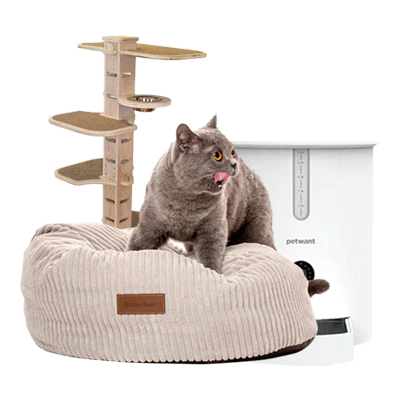
| Automatic feeder | Portion control, timer scheduling | Cats on strict diets |
| Smart water fountain | Filtered, circulating water | Encourages hydration |
| Pet camera | Two-way communication | Reduces owner anxiety |
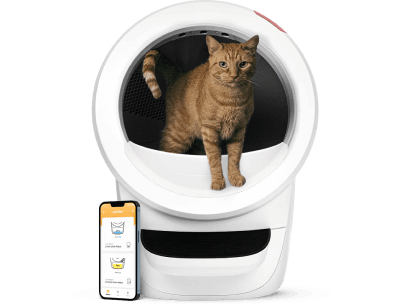
| Smart litter box | Self-cleaning, health tracking | Multi-cat or busy households |
Always test devices for a week before travelling and ensure power backups are in place.
Creating an Emergency and Medical Plan
Emergencies can occur unexpectedly. Preparing a clear plan ensures your sitter can act quickly.
Essential Documents
| Document | What It Includes | Who Should Have It |
|---|---|---|
| Medical summary | Vaccinations, allergies, health history | Vet, sitter |
| Medication log | Names, dosages, timing | Sitter |
| Vet authorisation form | Consent for treatment and payment limits | Vet, sitter |
| Emergency contacts | Vet, backup caregiver, your details | Sitter, neighbour |
Keep both physical and digital copies accessible.
Building a Backup Care Network
A single sitter can become unavailable, illness, emergencies, or travel delays happen. Always nominate a secondary contact, ideally someone local and familiar with your cat.
Your backup should:
- Have access to your home and vet details.
- Know your cat’s temperament.
- Understand how to administer medication if necessary.
Redundancy prevents gaps in care and protects your cat’s wellbeing.
Long-Term or Extended Absence Solutions
If you expect to be away for several weeks or months, you’ll need to consider more structured arrangements.
Professional Live-In Sitters
- Offer round-the-clock supervision.
- Maintain household security.
- Ideal for anxious or medically complex cats.
Extended Boarding
- Choose spacious, quiet suites.
- Ensure staff provide enrichment and health monitoring.
- Schedule regular communication and photos for reassurance.
For cats requiring ongoing medication or therapy, coordinate regular vet check-ups during your absence.
Returning Home: Reintegrating Your Cat
When you return, your cat may need a day or two to readjust. Move slowly, maintain the same routines, and allow your cat to approach you on their own terms.
Resume feeding and play schedules immediately, refresh litter boxes, and wash bedding gradually to preserve familiar scents. Within a few days, most cats settle comfortably.
Final Thoughts
Leaving your cat while you’re away doesn’t have to be stressful. By planning care carefully, maintaining communication with caregivers, and using the right mix of routine, technology, and empathy, you can ensure your cat remains safe, comfortable, and content until you return.
Cats thrive on stability and with the right systems in place, they’ll greet you with calm curiosity rather than anxiety when you walk through the door again.
Frequently Asked Questions
Most experts advise no longer than 24 hours without human supervision, even with feeders or fountains in place.
Sitters are best for cats who dislike change; boarding suits social or medically monitored cats.
Changes in appetite, litter habits, or grooming are early warning signs. Ask caregivers to monitor and record behaviour.
Automation helps, but regular in-person checks are essential for wellbeing and safety.
Create a binder with vet contacts, medication instructions, and signed treatment authorisation.